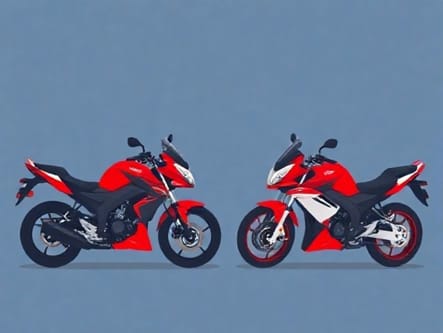
When motorcycle enthusiasts debate which brand delivers the most reliable performance, the conversation almost always circles back to Yamaha and Honda. These two Japanese manufacturers have built their reputations on durability, innovation, and consistency. Riders often discuss Yamaha vs Honda reliability when making purchase decisions, comparing how these bikes perform not only on the road but also over years of ownership. Understanding their strengths, weaknesses, and design philosophies helps riders make informed choices that align with their riding style and long-term expectations.
Understanding Reliability in Motorcycles
Reliability in motorcycles is not just about whether the engine starts every morning. It covers the entire experience of ownership, from engine life and fuel efficiency to ease of maintenance and availability of replacement parts. A reliable bike reduces the risk of breakdowns, ensures consistent performance, and gives riders confidence whether they are commuting daily or riding long-distance tours.
When comparing Yamaha vs Honda reliability, enthusiasts often look at three critical factors
- Longevity of engines and core components
- Frequency and cost of repairs
- Owner satisfaction and brand trust
Honda’s Approach to Reliability
Honda is often praised as one of the most reliable motorcycle manufacturers in the world. The brand has a history of building machines that last for decades with proper maintenance. Honda engines are typically engineered for efficiency and longevity rather than raw performance. This makes them extremely popular with commuters and touring riders who value predictable reliability.
Strengths of Honda Motorcycles
- Engines that can run for hundreds of thousands of kilometers with minimal issues.
- Excellent fuel economy across most models.
- Strong dealer and service network, making repairs easier and faster.
- Simple, practical designs that prioritize usability and consistency.
Limitations of Honda Reliability
While Honda bikes are very dependable, some riders feel they can be too conservative. Their designs sometimes prioritize function over excitement, which may leave thrill-seekers wanting more. Additionally, certain high-performance models require more maintenance, although still generally less than other competitors.
Yamaha’s Approach to Reliability
Yamaha has a reputation for balancing reliability with innovation. While Yamaha bikes are known for being durable, they often focus on delivering more exciting rides with advanced features. Riders who want both reliability and a spark of performance often lean toward Yamaha.
Strengths of Yamaha Motorcycles
- Durable engines that perform well under demanding conditions.
- Innovative technologies that enhance both performance and longevity.
- Strong reliability across a variety of segments, from scooters to sport bikes.
- Engines that handle high RPMs and spirited riding without major issues.
Limitations of Yamaha Reliability
Some Yamaha models, particularly high-performance bikes, may require more attentive maintenance compared to Honda’s conservative designs. While still reliable, their complexity can increase repair costs. Additionally, depending on the region, Yamaha’s dealer and service network may not be as widespread as Honda’s.
Comparing Yamaha vs Honda Reliability in Different Segments
Commuter Motorcycles
In commuter motorcycles, Honda often takes the lead. The Honda Wave and Honda CB series are known for unmatched durability and low running costs. Yamaha’s commuter models are still dependable but may lean slightly more toward performance and styling rather than sheer practicality.
Touring and Adventure Bikes
For touring, Honda’s Gold Wing is legendary for reliability and comfort. Yamaha, on the other hand, offers the Super Ténéré, which balances adventure performance with dependable mechanics. Both are reliable, but Honda usually appeals more to riders who prioritize comfort and long-distance stability.
Sport and Performance Motorcycles
In the sportbike world, Yamaha often gets the edge. The Yamaha R series has earned respect for delivering both performance and dependability. Honda’s CBR models are also reliable but sometimes described as less thrilling compared to Yamaha’s offerings. Riders who push their bikes harder often choose Yamaha for its balance of excitement and reliability.
Maintenance and Longevity
Proper maintenance plays a huge role in motorcycle reliability. Even the most durable machine will eventually fail without regular oil changes, brake checks, and tire maintenance. However, Yamaha vs Honda reliability also differs in how forgiving the bikes are when maintenance schedules are not strictly followed.
Honda motorcycles generally tolerate delayed maintenance better, while Yamaha bikes, especially high-performance models, need timely care to keep their advanced systems running smoothly. This does not mean Yamaha bikes are less reliable, but rather that they require more attention to sustain peak performance.
Owner Satisfaction and Real-World Experiences
Rider testimonials and surveys consistently place both Yamaha and Honda at the top of motorcycle reliability rankings. Honda often wins in commuter and touring categories, while Yamaha attracts riders who want a mix of durability and performance. Real-world experiences show that both brands are highly dependable, with many riders reporting decades of trouble-free ownership.
Which Brand is More Reliable?
When it comes to Yamaha vs Honda reliability, the answer depends on the type of rider and intended use. If reliability means minimal maintenance, simple operation, and long engine life, Honda is often the preferred choice. If reliability also includes performance, innovation, and the ability to push limits without constant breakdowns, Yamaha becomes the more appealing option.
Choosing Between Yamaha and Honda
- Pick Honda if you value practicality, simplicity, and low running costs.
- Pick Yamaha if you want reliability paired with exciting performance.
- Both brands deliver exceptional durability when properly maintained.
The Yamaha vs Honda reliability debate does not have a single answer because both brands excel in different ways. Honda is known for conservative, long-lasting machines that keep going for decades. Yamaha, while equally reliable, adds more thrill and innovation to the ride. Ultimately, choosing between the two comes down to personal priorities whether a rider values pure dependability or a blend of excitement and endurance. Either way, riders can be confident that both Yamaha and Honda will deliver reliable motorcycles that stand the test of time.
Word count ~1010