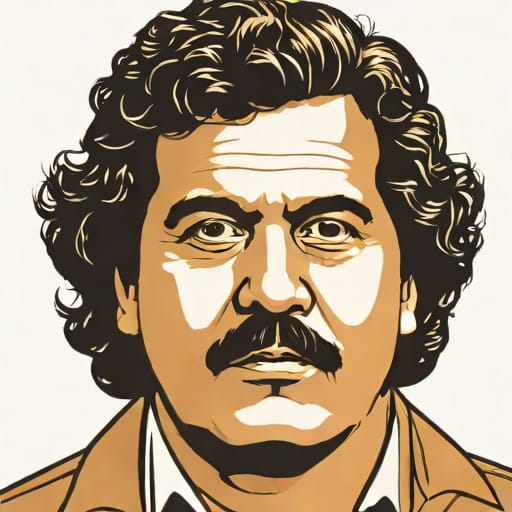
Pablo Escobar, one of the most notorious drug lords in history, is often remembered for his violent legacy, millions of dollars in drugs smuggled into the United States, and the trail of destruction left behind in Colombia. Part of the intense drama surrounding Escobar’s life involves the people close to him, including journalists and associates who became entangled in his world. Among those figures associated with Escobar is Valeria Velez, a Colombian journalist who, in popular culture and dramatizations, is often depicted as a lover or confidante of the cartel leader. Her death and the manner in which her life intersected with Escobar’s violent empire reflect the dangerous realities of reporting and living alongside one of the most feared criminals of the 20th century. Understanding the story of Pablo Escobar, the context of his death, and the fate of people like Valeria offers insight into how the drug war affected not just criminals and law enforcement, but also civilians caught in its path.
Pablo Escobar Rise and Death
Pablo Escobar led the Medellín Cartel, a powerful drug trafficking organization that at its height controlled a large percentage of cocaine entering the United States and other countries. His rise to power was marked by violence and corruption, as he bribed officials, intimidated rivals, and ordered the murders of those who opposed him. Escobar’s notoriety and influence made him one of the most wanted men in the world during the 1980s and early 1990s.
After years on the run from Colombian authorities and international law enforcement, Escobar was finally located by a special task force known as the Search Bloc. On December 2, 1993, he was killed on a rooftop in Medellín during a shootout with Colombian forces. There are multiple accounts of exactly who fired the fatal shot, with some saying Escobar committed suicide to avoid capture, while others suggest he was shot by Colombian police or rival groups during the confrontation. Regardless of the precise details, his death marked the end of his reign as the head of the Medellín Cartel and a significant turning point in Colombia’s fight against drug trafficking.
Who Was Valeria Velez?
Valeria Velez is a character known largely through dramatizations and fictionalized portrayals, particularly in television series that depict Escobar’s life. In these narratives, she is presented as a Colombian journalist and romantic partner of Escobar, often shown as someone whose relationship with him pulls her deeper into the cartel’s dangerous world. Her character embodies the blurred lines between personal ambition, media influence, and the violent politics of the drug trade.
It’s important to note that the character of Valeria Velez is widely understood to be inspired by Virginia Vallejo, a real-life Colombian journalist who had a relationship with Escobar in the 1980s and later wrote a memoir about her experiences. However, in dramatized accounts, Valeria’s story is often reshaped for narrative effect, mixing truth and fiction in ways that make it difficult to separate the real-life individual from her on-screen counterpart.
The Death of Valeria Velez
In the fiction and dramatized versions of Escobar’s life, Valeria Velez meets a brutal end. According to these portrayals, she is killed by a vigilante group known as Los Pepes. Los Pepes, short for Perseguidos por Pablo Escobar or People Persecuted by Pablo Escobar, were groups composed of rival cartel members, paramilitaries, and others who sought revenge against Escobar and his associates during the early 1990s. In these narratives, Velez is targeted because of her close association with Escobar and is labeled derogatorily as Pablo’s whore, which reflects the violent and often misogynistic logic of her killers. She, along with her driver and a cameraman, is shot while leaving a location, with a sign placed on her vehicle by Los Pepes to publicly mark her death.
While this version of her death makes for dramatic storytelling on screen, it is largely a fictionalized element of television series rather than a strictly verified historical account. Real-life details about what happened to those close to Escobar can be complex and often lost in legend and dramatization, especially when presented in entertainment media.
Los Pepes and Their Role
Los Pepes played a significant role in the latter years of Escobar’s downfall. They were composed of enemies of Escobar, including rivals from the Cali Cartel and other groups affected by his violence. Their campaign involved targeting Escobar’s properties, associates, and sometimes family members in an effort to destabilize his power and exact revenge for the havoc he had wreaked.
Although Los Pepes have often been depicted as a sort of vigilante force in stories, their methods were brutal and extrajudicial, contributing to the cycle of violence that characterized Colombia during this period. Their involvement complicates narratives about justice and retribution, showing how criminal violence can spill over into broader society and entangle civilians and informants in deadly conflict.
Romantic and Media Entanglements
Part of what made the story of Pablo Escobar and figures like Valeria Velez so compelling was the intersection of crime, media, and personal relationships. Escobar was known to use journalists and public figures to advance his political ambitions or to shape public perception of his activities. In some dramatized stories, Valeria is shown providing favorable coverage or attempting to influence political narratives at Escobar’s behest.
These portrayals highlight the dangers faced by journalists operating in conflict zones or near powerful criminal figures, where the pressure to conform or align with powerful interests can lead to ethical dilemmas, threats to safety, and, in dramatized cases, violent ends. Even though much of Valeria Velez’s story as popularized in fiction combines facts with dramatic liberty, it reflects broader truths about the risks journalists face in violent political environments.
Public Memory and Legacy
The stories of Pablo Escobar and those connected to him, including romantic partners, journalists, and cartel members, continue to captivate audiences around the world. Escobar’s death marked a major milestone in Colombia’s efforts to reduce drug-related violence, but it also left behind a legacy of trauma, loss, and unresolved questions about justice and accountability. Memorials, books, and television series dedicated to understanding his life and impact continue to shape public memory of this era.
Dramatizations that include characters like Valeria Velez contribute to this ongoing fascination, even as they blur the line between fact and fiction. They reflect both the real dangers associated with drug trafficking and the ways in which media narratives can transform historical events into stories that resonate with contemporary audiences. For many observers, these stories serve as a reminder of the human cost of organized crime and the importance of critically examining how history is told and remembered.
The story of Pablo Escobar and Valeria Velez, particularly the way her death is depicted in dramatized accounts, offers insight into the violent and complex world surrounding one of history’s most infamous criminals. While Escobar’s life ended in a controversial and well-documented shootout in 1993, the fate of those associated with him, including journalists and lovers, became part of the larger narrative of conflict, power, and retribution. Characters like Valeria Velez, though fictionalized in many portrayals, remind us of the human stories intertwined with the history of the Medellín Cartel and its impact on Colombia and the world. Understanding these narratives requires balancing historical fact with the dramatic interpretations that continue to shape public perception of these events.