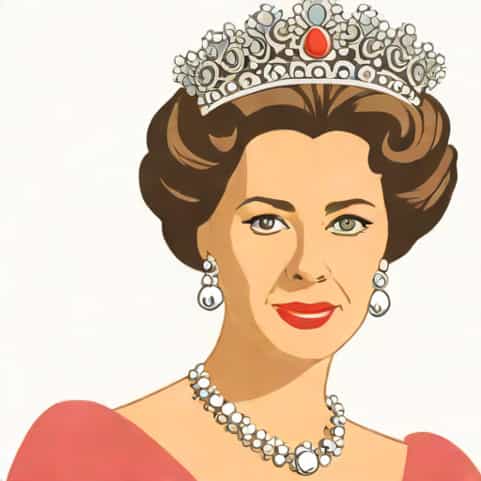
Princess Margaret, Countess of Snowdon, was one of the most recognizable members of the British royal family in the twentieth century. Known for her strong personality, glamorous lifestyle, and sometimes controversial public image, she lived much of her life in the public eye. When news of her death emerged in 2002, many people wanted to understand what led to her passing. Exploring Princess Margaret Countess of Snowdon cause of death also means looking at her long-term health struggles and the lifestyle factors that shaped her later years.
Who Was Princess Margaret?
Princess Margaret Rose was born in 1930 as the younger daughter of King George VI and Queen Elizabeth, later known as the Queen Mother. She was the only sibling of Queen Elizabeth II and grew up within the core of the British monarchy.
Throughout her life, Princess Margaret attracted attention for her fashion sense, social circle, and outspoken nature. She married photographer Antony Armstrong-Jones, who became the Earl of Snowdon, and they had two children. Although their marriage ended in divorce, she remained a prominent royal figure.
Health Issues in Princess Margaret’s Later Years
In the decades leading up to her death, Princess Margaret experienced several serious health problems. These issues significantly affected her mobility and quality of life.
She suffered multiple strokes over time, which gradually weakened her physical condition. Each episode made recovery more difficult, especially as she grew older.
Stroke as the Primary Cause of Death
The official cause of death for Princess Margaret, Countess of Snowdon, was complications following a stroke. She passed away on February 9, 2002, at the age of 71.
Her final stroke occurred after years of declining health. This stroke led to further complications, ultimately resulting in her death. Medical reports at the time confirmed that the stroke was the direct cause.
What Is a Stroke?
- A disruption of blood flow to the brain
- Can be caused by blocked or ruptured blood vessels
- May result in long-term disability or death
Previous Strokes and Ongoing Complications
Princess Margaret had experienced earlier strokes before her final one. In 1998, she suffered a mild stroke while on holiday, which left her with partial paralysis on one side of her body.
After that incident, she required a wheelchair and relied more heavily on assistance. These earlier strokes weakened her overall health and increased the risk of further episodes.
Impact of Lifestyle on Her Health
Princess Margaret’s lifestyle choices were often discussed by the media and medical commentators. She was known to be a heavy smoker for much of her life and also enjoyed alcohol.
Smoking is widely recognized as a major risk factor for stroke and cardiovascular disease. Long-term smoking can damage blood vessels and increase the likelihood of clot formation, which may have contributed to her medical condition.
Mobility Challenges and Reduced Independence
Following her strokes, Princess Margaret’s mobility declined significantly. She spent long periods using a wheelchair and appeared less frequently at public events.
This loss of independence was reportedly difficult for her, as she had been known for her active social life. Reduced physical activity can further affect overall health, particularly in older adults.
Medical Care in Her Final Years
In her final years, Princess Margaret received ongoing medical care and support. She was treated at respected medical facilities and was under close observation due to her history of strokes.
Despite medical attention, the cumulative effects of her health conditions made recovery increasingly challenging. Her body became less able to withstand further complications.
Public Reaction to Her Death
The death of Princess Margaret marked a significant moment for the British royal family. It came just weeks before the death of her mother, the Queen Mother, which made the period particularly emotional.
Public reaction was mixed but respectful. Many reflected on her complex personality and the unique role she played within the monarchy.
Funeral and Final Wishes
Princess Margaret’s funeral was held at St George’s Chapel in Windsor. In keeping with her wishes, she was cremated, making her the first senior royal in modern times to choose cremation.
Her ashes were later placed alongside her parents, honoring her desire to remain close to her family even after death.
How Her Death Highlighted Stroke Awareness
The passing of Princess Margaret drew attention to the dangers of stroke, especially in older individuals with long-term health risks. Her case highlighted the importance of managing risk factors such as smoking, blood pressure, and overall cardiovascular health.
It also reminded the public that strokes can have lasting effects, even when they are not immediately fatal.
Legacy Beyond Her Cause of Death
While discussions of Princess Margaret Countess of Snowdon cause of death focus on medical facts, her legacy extends far beyond her final illness. She represented a changing royal era and challenged traditional expectations in many ways.
Her life story continues to be explored in books, documentaries, and historical discussions, often portraying her as both a product of her time and a figure ahead of it.
Final Reflections on Princess Margaret’s Passing
Princess Margaret, Countess of Snowdon, died as a result of complications from a stroke after years of declining health. Her death was influenced by earlier medical issues and lifestyle factors that increased her risk. While her passing marked the end of a complex and sometimes controversial life, it also offered important lessons about health, aging, and resilience. Remembering her story helps provide context not only for her cause of death but also for the lasting impact she had on British royal history.