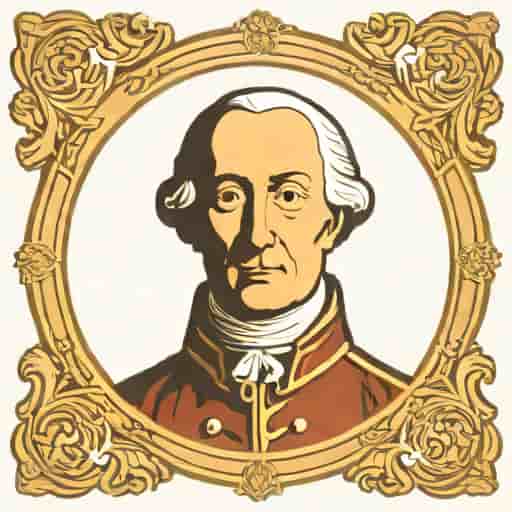
Baron de Montesquieu is one of the most influential figures in political philosophy, known for his profound ideas on the separation of powers and the structure of government. However, for many English speakers and students of philosophy, the proper pronunciation of his name can be a source of confusion. Understanding how to pronounce Baron de Montesquieu correctly not only helps in academic discussions but also shows respect for the historical and cultural context of his work. Pronunciation can vary slightly depending on language and regional accents, but there are standard ways to say his name accurately in English and in French, which is the original language of Montesquieu. This topic explores the correct pronunciation, common mistakes, and tips for mastering the name in both spoken and formal contexts, providing a complete guide for learners and enthusiasts alike.
Who Was Baron de Montesquieu?
Baron de Montesquieu, born Charles-Louis de Secondat in 1689, was a French philosopher, writer, and political thinker whose ideas had a profound impact on modern democratic theory. He is best known for his book The Spirit of the Laws, in which he articulated the principle of separation of powers within government. Montesquieu’s theories influenced the development of constitutions in Europe and the Americas, most notably the United States Constitution. His contributions to political thought make his name frequently referenced in academic literature, debates, and discussions on governance and law. Therefore, knowing the correct pronunciation of Baron de Montesquieu is particularly important for students, teachers, and anyone interested in political science or history.
French Pronunciation Basics
In French, the pronunciation of Baron de Montesquieu is different from the English adaptation. The original French emphasizes softer consonants and nuanced vowel sounds that are often challenging for non-native speakers. Breaking it down
- BaronPronounced approximately as ba-ROHN, with the emphasis on the second syllable and a nasalized n sound.
- dePronounced as duh, a short, soft syllable linking the title and last name.
- MontesquieuPronounced roughly as mo(n)-TEH-skew, where the n is nasalized, TEH is clear and stressed, and skew ends softly.
When combined, a French speaker would say ba-ROHN duh mo(n)-TEH-skew. Practicing each syllable slowly and paying attention to the nasalization helps in approaching a natural-sounding pronunciation.
English Pronunciation Adaptations
In English, many speakers adapt the pronunciation to fit more familiar phonetic patterns, sometimes simplifying or Anglicizing certain sounds. Common English pronunciations include
- BAHR-on de MON-tes-kyoo – emphasizing the first syllable in Baron and simplifying the French nasal sounds.
- BAIR-on de MON-tes-kyoo – a slight variation often heard in academic lectures.
- BAR-on de MON-tes-kew – less formal but widely understandable in casual conversation.
While these pronunciations may not capture the full French phonetic accuracy, they are generally accepted in English-speaking academic and informal contexts. When giving presentations or engaging in discussions about Montesquieu’s work, using one of these adapted pronunciations is usually sufficient and widely understood.
Common Mistakes
Many people mispronounce Montesquieu’s name due to the combination of French spelling and unfamiliar phonetics. Common mistakes include
- Pronouncing the final eau as ee-oh rather than the soft oo sound.
- Overemphasizing the first syllable of Montesquieu instead of the middle syllable.
- Omitting the nasal sound in Baron, resulting in BAH-ron instead of ba-ROHN.
- Replacing skew with ski-you, which can sound unnatural in English contexts.
Being aware of these mistakes and practicing the correct pronunciation reduces errors and builds confidence when discussing Montesquieu’s work in public or academic settings.
Tips for Mastering Pronunciation
Learning how to pronounce Baron de Montesquieu accurately involves a combination of listening, repetition, and breaking the name into manageable parts. Here are some practical tips
Break the Name into Syllables
Divide the name into syllables Ba-ron / de / Mon-tes-quieu. Practice each part slowly before combining them. This method helps you focus on stress, vowel sounds, and the nasalized components.
Use Audio Resources
Listening to native French speakers or reliable pronunciation guides online can help learners hear the correct sounds. Repetition after audio examples improves muscle memory and confidence in speaking.
Practice Regularly
Pronunciation improves with consistent practice. Saying the name multiple times daily, recording yourself, and comparing it to authentic sources ensures gradual improvement and accuracy.
Incorporate into Context
Practice using the name in sentences, such as Baron de Montesquieu argued for the separation of powers in government. Using the name in context helps solidify its pronunciation in natural speech patterns rather than isolated repetition.
Importance of Correct Pronunciation
Using the correct pronunciation of Baron de Montesquieu demonstrates respect for historical accuracy and cultural context. In academic presentations, debates, or casual discussions, proper pronunciation signals credibility and knowledge of the subject matter. It also reduces misunderstandings when collaborating with others who are familiar with Montesquieu’s work. Beyond practical benefits, mastering the name reflects an appreciation of language nuances, especially when engaging with French intellectual history and political philosophy.
Applications in Education and Professional Settings
- Classroom discussions in history, political science, or philosophy.
- Academic presentations and lectures.
- Professional debates, writing, and publishing topics referencing Montesquieu.
- Public speaking and intellectual discussions on governance and law.
Pronouncing Baron de Montesquieu correctly may seem challenging at first, but with careful practice and understanding of both French and English adaptations, it becomes manageable. Whether using the original French pronunciation ba-ROHN duh mo(n)-TEH-skew or the accepted English adaptations, mastering the name enhances confidence and credibility in discussions of political philosophy. Remembering the key principles-breaking the name into syllables, listening to native speakers, practicing regularly, and using the name in context-ensures that you can pronounce it accurately and naturally. Understanding and respecting proper pronunciation is not only a linguistic skill but also a way to honor the legacy of one of history’s most important thinkers.