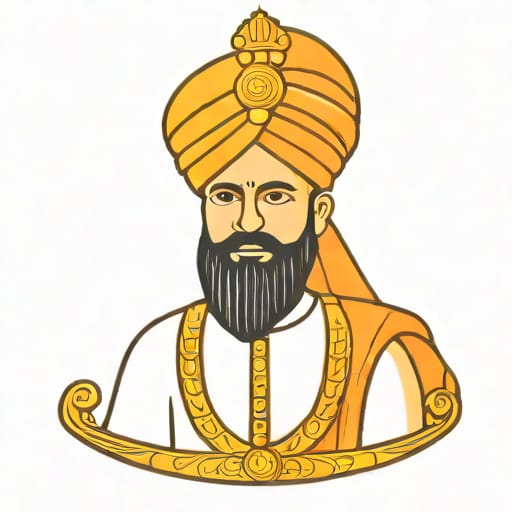
The Delhi Sultanate was one of the most significant and transformative periods in Indian history, shaping the political, cultural, and social landscape of the subcontinent for several centuries. Understanding the origins of this Sultanate requires a close look at its founder, whose vision and conquests laid the foundation for a centralized Islamic rule in northern India. The real founder of the Delhi Sultanate is widely recognized as Qutb-ud-din Aibak, a former slave who rose to power through military skill, strategic alliances, and political acumen. His rise marked the beginning of the Mamluk dynasty, which set the stage for subsequent rulers and the establishment of Delhi as a major center of administration and culture. The story of Qutb-ud-din Aibak is not only a tale of ambition and leadership but also a reflection of the complex socio-political environment of India during the late 12th and early 13th centuries.
Early Life of Qutb-ud-din Aibak
Qutb-ud-din Aibak was born around 1150 CE in Turkestan, in present-day Central Asia. He came from a modest background and was sold into slavery at a young age, which was not uncommon during that era. Despite his status as a slave, Aibak received military training and education, which enabled him to serve under prominent rulers of the Ghurid Empire. His intelligence, bravery, and loyalty earned him recognition and rapid promotion within the Ghurid military hierarchy. Over time, he became a trusted general of Muhammad Ghori, the ruler of the Ghurid Empire, who played a crucial role in the expansion of Islamic rule into India. Aibak’s journey from slavery to leadership highlights the fluidity of social mobility in certain medieval Islamic societies, where merit and military skill could lead to significant power.
Military Campaigns and Conquests
Qutb-ud-din Aibak’s military expertise was instrumental in the Ghurid campaigns in northern India. He participated in key battles that helped establish Ghurid control over strategic regions, including the conquest of Delhi and surrounding territories. Following the assassination of Muhammad Ghori in 1206, Aibak seized the opportunity to assert independence and consolidate power in northern India. His military campaigns focused on securing major cities, subduing local rulers, and expanding the influence of the Sultanate. These strategic conquests laid the foundation for a strong administrative structure and helped establish the legitimacy of Aibak as the ruler of the newly formed Delhi Sultanate.
Establishment of the Delhi Sultanate
Qutb-ud-din Aibak is credited with founding the Delhi Sultanate in 1206 CE, marking the beginning of Islamic rule in northern India that lasted for over three centuries. He established Delhi as the capital, recognizing its strategic location for both defense and administration. The Sultanate under Aibak focused on consolidating territories, building a strong military, and promoting Islamic culture and architecture. His reign, though relatively short, set the precedent for subsequent dynasties, including the Slave, Khalji, Tughlaq, Sayyid, and Lodi dynasties. By founding the Sultanate, Aibak not only introduced centralized governance but also created a framework that influenced Indian politics and society for generations.
Administrative Contributions
Beyond his military achievements, Qutb-ud-din Aibak made significant administrative contributions that strengthened the Delhi Sultanate. He appointed capable governors to oversee newly conquered territories, implemented taxation policies, and maintained law and order. His administrative system combined elements of Central Asian and Indian governance practices, allowing for effective control over a diverse population. Aibak also emphasized the integration of local elites and the establishment of a bureaucracy that could manage the complex economic and social structure of northern India. These measures helped stabilize the Sultanate during its formative years and ensured continuity after his death.
Cultural and Architectural Achievements
Qutb-ud-din Aibak is perhaps best remembered for his contributions to architecture and culture. He initiated several monumental construction projects, including the famous Qutb Minar in Delhi, which stands today as a symbol of his reign and architectural innovation. The Qutb Minar, built as a victory tower, showcases intricate Islamic calligraphy and decorative motifs, reflecting the fusion of Persian, Central Asian, and Indian architectural styles. Aibak also encouraged the construction of mosques, forts, and other public buildings, fostering the spread of Islamic culture and art in India. His architectural legacy continues to attract scholars, tourists, and historians, providing insight into the aesthetics and values of the early Delhi Sultanate.
Challenges During His Reign
Despite his successes, Qutb-ud-din Aibak faced several challenges. The newly established Sultanate had to contend with rebellious local rulers, logistical difficulties in managing vast territories, and the threat of rival empires. Aibak relied heavily on his military prowess, strategic alliances, and the loyalty of his commanders to maintain control. His ability to navigate these challenges demonstrated his political acumen and helped ensure the survival and growth of the Delhi Sultanate. Although his reign was relatively brief, lasting only about four years, the foundations he laid enabled his successors to expand the Sultanate further and consolidate Islamic rule in northern India.
Legacy of Qutb-ud-din Aibak
The legacy of Qutb-ud-din Aibak as the real founder of the Delhi Sultanate is profound. His rise from a slave to a Sultan exemplifies determination, skill, and strategic vision. By establishing the Sultanate, he transformed the political landscape of northern India and introduced a new era of governance and cultural development. Aibak’s architectural projects, administrative reforms, and military achievements laid the groundwork for future rulers, shaping the history of the region for centuries. His story continues to inspire historians and readers alike, highlighting the impact one individual can have on the course of history.
Influence on Subsequent Dynasties
The foundation set by Qutb-ud-din Aibak influenced successive dynasties of the Delhi Sultanate. His administrative framework, military strategies, and cultural initiatives were adopted and expanded by later rulers such as Iltutmish, Balban, and Alauddin Khalji. These dynasties built upon Aibak’s policies to create a stable and enduring empire that became a dominant power in India. His vision of centralized authority, combined with cultural patronage, helped shape the identity of the Delhi Sultanate as a significant Islamic empire in the subcontinent.
Qutb-ud-din Aibak, the real founder of the Delhi Sultanate, played a pivotal role in Indian history by establishing centralized Islamic rule in northern India. His journey from slavery to sovereignty, his military conquests, administrative innovations, and cultural contributions laid the foundation for a dynasty that would influence the subcontinent for centuries. By recognizing Delhi as the capital, promoting architecture, and creating a stable governance system, Aibak set the stage for subsequent rulers to expand and strengthen the Sultanate. His legacy endures not only through monuments like the Qutb Minar but also through the enduring impact of the Delhi Sultanate on India’s political, social, and cultural history.