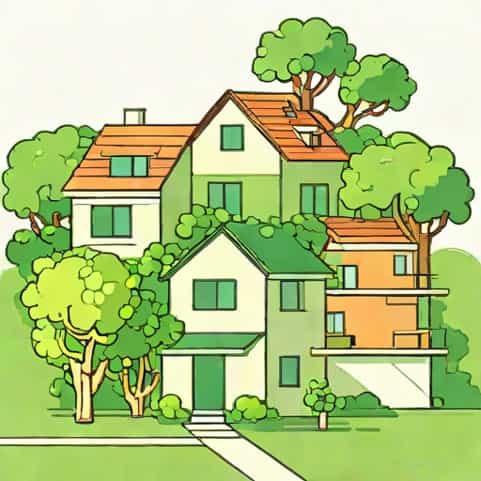
Living in a green neighborhood is often associated with peace, relaxation, and cleaner air, but researchers have increasingly explored whether greenery in the places we live may also play a role in how our brains age. As people grow older, many worry about memory loss, slower reasoning, or other signs of cognitive decline. Understanding how residential surrounding greenness affects cognitive health can help communities create environments that support aging populations. The connection between nature and the brain is becoming clearer each year, and exploring this topic reveals insights that can guide healthier living and smarter urban planning.
The Concept of Surrounding Greenness
Residential surrounding greenness generally refers to the amount of vegetation around a person’s home. This may include trees, parks, gardens, lawns, and natural landscapes. The idea extends beyond simple aesthetics; it measures how much exposure people have to natural environments in their daily lives. Studies often use satellite data, tree canopy measurements, or neighborhood assessments to estimate a person’s overall greenness exposure.
As cities expand and urban areas grow denser, the importance of maintaining green spaces becomes more urgent. The presence of greenery influences physical health, mental well-being, and social interactions. In recent years, the focus has shifted toward determining whether these environmental features also protect against cognitive decline.
How Greenness May Influence Brain Health
To understand the relationship between residential greenness and cognitive decline, it helps to consider the pathways that link nature to human brain function. Several mechanisms have been proposed, and each offers clues as to why greener environments may contribute to better cognitive aging.
Reduced Stress Levels
One of the strongest theories is that natural environments help lower stress. Trees, plants, and natural scenery have a calming effect on the mind. Reduced stress improves the body’s ability to regulate hormones and maintain healthy brain function. Chronic stress, by contrast, can damage areas of the brain responsible for memory and learning. Living in a green area may buffer residents from everyday stressors.
Cleaner Air and Lower Pollution
Air pollution is a known risk factor for cognitive decline, especially in older adults. Greener surroundings often correlate with better air quality because plants improve oxygen levels and filter harmful ptopics. Regular exposure to cleaner air may contribute to healthier neurological function and reduce inflammation that harms brain cells.
Encouraging Physical Activity
Green neighborhoods naturally promote physical activity. Parks, trails, and leafy streets encourage people to walk, jog, or spend time outdoors. Physical activity stimulates blood flow to the brain, supports the growth of new neurons, and helps preserve cognitive skills. Even small increases in movement can slow cognitive decline over time.
Social Interaction Opportunities
Community spaces with greenery invite residents to spend time outside, meet neighbors, and participate in social activities. Social engagement is a strong protective factor against cognitive decline. People who maintain active social lives tend to have sharper memory and better mental resilience. Green surroundings can make these interactions more likely.
Evidence From Research
Growing evidence suggests that people living in areas with higher levels of residential surrounding greenness show slower cognitive decline compared to those in heavily urbanized environments. While the exact impact may differ based on region, age group, or lifestyle, the trend appears consistent.
Some studies follow adults over many years, tracking cognitive performance through memory tests, attention assessments, and verbal fluency tasks. Others compare neighborhoods with varying levels of green coverage and assess differences in brain health across populations. Although no single study provides a complete answer, they collectively support the idea that greener environments are beneficial for cognitive aging.
Types of Greenness That Matter Most
Residential surrounding greenness can vary widely. Some types appear more effective in supporting cognitive health than others. Understanding these differences helps communities plan better green infrastructure.
Tree Canopy
Tree-lined streets contribute significantly to cognitive benefits. Trees block pollution, provide shade, and create a quiet environment. They also grow tall and spread wide, offering sustained exposure to natural elements right outside the home.
Parks and Recreational Spaces
Accessible parks offer opportunities for exercise and social gatherings. People who live near parks often visit them regularly, increasing their physical and mental exposure to nature. Large parks with diverse vegetation can create stronger positive effects than small patches of grass.
Private Gardens and Home Landscaping
Even small-scale greenery such as home gardens, potted plants, or private lawns can contribute to daily exposure to nature. For individuals with limited mobility, the ability to enjoy nature at home may be especially important.
Benefits Across Age Groups
While much research focuses on older adults, the benefits of surrounding greenness apply across the lifespan. People who grow up in green environments may develop healthier brain structures. Adults in midlife who maintain exposure to nature may strengthen cognitive resilience before aging-related decline begins.
For seniors, the impact is particularly noticeable. Older adults are more vulnerable to cognitive challenges, and environmental support can make a meaningful difference. Green surroundings may help maintain independence, support mobility, and enhance emotional well-being factors that strongly relate to cognitive stability.
Limitations and Considerations
Although the relationship between greenery and cognitive decline is promising, it is not absolute. Several factors influence how much benefit a person receives
-
Individual health conditions, such as chronic illness or genetic predispositions
-
Socioeconomic factors that influence access to green spaces
-
Quality and maintenance of neighborhood greenery
-
Safety concerns that may reduce willingness to spend time outdoors
-
Air quality variations unrelated to greenery
It is also important to recognize that greenness is one part of a larger lifestyle pattern. Diet, sleep, exercise, and social activities all contribute to cognitive health. Living in a green neighborhood is not a guarantee but rather a supportive factor that works alongside other habits.
Urban Planning and Community Implications
Understanding the role of residential greenness has important implications for urban development. As cities expand, planners face the challenge of balancing construction with environmental preservation. Prioritizing green infrastructure can promote both community well-being and cognitive resilience.
Strategies may include
-
Increasing tree planting in residential zones
-
Ensuring neighborhoods have accessible parks within walking distance
-
Creating green corridors that link communities
-
Encouraging homeowners to incorporate plants and gardens
-
Designing buildings with rooftop gardens or natural views
These efforts not only beautify cities but also contribute to long-term public health. Communities with strong green infrastructure may see reduced healthcare costs, improved mental health outcomes, and more vibrant social interactions.
Practical Steps for Individuals
Even if someone lives in a highly urbanized environment, there are ways to increase exposure to greenness and support cognitive health
-
Spend regular time in local parks, even for short walks
-
Grow indoor plants or create small balcony gardens
-
Choose walking routes with more trees or natural scenery
-
Participate in community gardening programs
-
Arrange a workspace with views of natural elements when possible
Small changes add up over time and can meaningfully influence well-being.
The connection between residential surrounding greenness and cognitive decline highlights the power of the environment in shaping how we age. Green neighborhoods provide physical, psychological, and social benefits that support brain health. While greenery alone cannot prevent cognitive decline, it acts as a valuable component of a healthier lifestyle and a more supportive community. As interest in cognitive health grows, the role of natural environments will likely become even more central to discussions about public health, urban design, and aging gracefully.