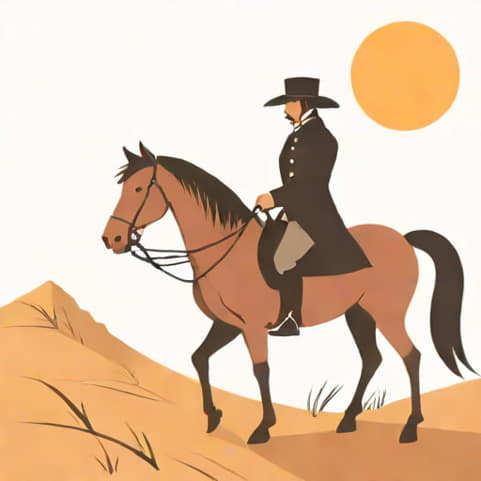
The poem The Highwayman by Alfred Noyes is one of the most celebrated narrative poems in English literature, known for its vivid imagery, dramatic storytelling, and haunting themes of love and sacrifice. Written in 1906, the poem captures the romantic and tragic tale of a dashing highwayman and his lover, Bess, the landlord’s daughter. Its rhythmic, almost musical cadence draws readers into the story, evoking the suspense and tension of a historical romance set in a bygone era. The Highwayman has endured as a favorite in both literary studies and popular culture because it combines elements of adventure, danger, and emotional intensity, all woven together through memorable language and imagery. Beyond its narrative, the poem explores themes of loyalty, courage, and the destructive consequences of betrayal, resonating with readers across generations.
Author Background
Alfred Noyes was a British poet born in 1880, renowned for his lyrical style and ability to craft stories through verse. Noyes’s work often reflected his fascination with history, adventure, and human emotion. The Highwayman stands as a testament to his skill in blending rhythm, imagery, and narrative to create a compelling poetic experience. His interest in romanticized historical settings allowed him to create a vivid backdrop for the poem, transporting readers to the dark, windswept moors and the shadowy roads of the 18th century. Noyes’s unique ability to balance suspense, emotional depth, and poetic form made The Highwayman a lasting contribution to English literature.
Summary of the Poem
The Highwayman tells the story of a romantic yet tragic encounter between a daring highwayman and Bess, the landlord’s daughter. The poem begins with a vivid description of the highwayman riding through the moonlit night, emphasizing the tension and suspense that permeates the narrative. Noyes uses evocative language to create a sense of danger and excitement, immersing readers in the setting and the characters’ emotions.
The Plot
The highwayman is in love with Bess, and they share a passionate but secret relationship. Their love is threatened by Tim, the ostler, who is jealous and resentful. Tim betrays the couple to the authorities, setting a trap to capture the highwayman. Bess, aware of the danger, sacrifices herself to warn him, dying in the process. Despite her warning, the highwayman returns to avenge her death, ultimately leading to his own tragic end. The story unfolds with a dramatic tension that grips the reader, combining romance, suspense, and tragedy in a concise and compelling narrative.
- Highwayman rides through the moonlit night
- Bess, the landlord’s daughter, shares a secret love with him
- Tim, the jealous ostler, betrays them to the authorities
- Bess sacrifices herself to warn the highwayman
- The highwayman returns, leading to a tragic conclusion
Literary Devices and Style
Alfred Noyes employs a range of literary devices to enhance the dramatic impact of The Highwayman. The poem is known for its rhythmic meter, which mimics the galloping of a horse, creating an immersive and almost cinematic experience for readers. Noyes’s use of vivid imagery, personification, and repetition helps establish a haunting, romantic, and suspenseful tone throughout the narrative. The poem’s language captures both the thrill of adventure and the intensity of emotional attachment, drawing readers deeply into the story.
Imagery and Symbolism
The poem is rich with visual and auditory imagery. The moonlit road, the clattering hooves, and the red-coat troop of soldiers create a vivid setting that enhances the story’s tension. Symbolism is also central, with the highwayman representing freedom and daring, while Bess embodies loyalty and sacrifice. The use of color, sound, and motion in the imagery contributes to the poem’s dramatic and emotional resonance.
Sound and Rhythm
The poem’s rhythm is crafted to reflect the gallop of a horse, with strong and consistent beats that propel the narrative forward. This musicality makes the poem memorable and engaging, enhancing the reader’s emotional response. Alliteration and assonance are frequently employed to create a lyrical quality, further emphasizing the tension and romanticism of the story.
- Rhythmic meter mimics horse gallop
- Alliteration and assonance enhance musicality
- Vivid imagery creates immersive settings
- Symbolism emphasizes themes of love and sacrifice
Themes in The Highwayman
Several themes are central to the poem, making it a rich text for literary analysis. Love and loyalty are at the heart of the story, demonstrated by the devotion of both the highwayman and Bess. The poem also explores the destructive nature of jealousy and betrayal, as represented by Tim’s actions. Finally, the theme of heroism and sacrifice permeates the narrative, emphasizing the courage of the characters in the face of danger and adversity.
Love and Loyalty
The romantic bond between the highwayman and Bess is depicted as passionate and unwavering. Their love motivates brave actions, particularly Bess’s selfless decision to warn the highwayman despite the risk to her own life. Loyalty is shown not just through emotional attachment but through acts of courage and devotion that define the characters’ identities and drive the narrative forward.
Jealousy and Betrayal
Tim, the ostler, embodies jealousy and treachery. His betrayal sets the tragic events into motion, demonstrating how envy can destroy relationships and lead to fatal consequences. This theme underscores the moral complexity of the poem, where human emotions directly impact the course of events, blending personal motives with larger dramatic consequences.
Heroism and Sacrifice
Heroism and sacrifice are central to the poem’s emotional impact. Bess’s death serves as a powerful example of selflessness, while the highwayman’s return to confront danger highlights courage and determination. These acts of bravery and sacrifice are portrayed with a sense of tragic inevitability, reinforcing the poem’s dramatic and haunting qualities.
- Love motivates courageous actions
- Jealousy and betrayal lead to tragedy
- Heroism and sacrifice underscore emotional depth
- Tragic outcomes amplify suspense and poignancy
Impact and Legacy
The Highwayman has had a lasting impact on literature and popular culture. Its blend of narrative, romance, and tragedy has made it a staple in poetry anthologies and classrooms. The poem has inspired adaptations in theater, film, and visual art, demonstrating its enduring appeal. Its rhythmic style, vivid imagery, and timeless themes continue to resonate with readers, securing Alfred Noyes’s place as a master storyteller and poet.
Educational Significance
In educational settings, The Highwayman is frequently studied for its narrative techniques, use of literary devices, and exploration of universal themes. Teachers often highlight its structure, meter, and imagery to help students understand the craft of poetry. Additionally, the poem provides a platform for discussions about moral choices, human emotion, and the consequences of betrayal and loyalty.
Continued Popularity
Over a century after its publication, the poem continues to captivate audiences. Its rhythmic verses, suspenseful plot, and emotional depth make it a favorite for public readings, literary festivals, and online forums. The enduring fascination with The Highwayman reflects the universal appeal of stories that blend adventure, love, and tragedy, demonstrating the timeless nature of compelling storytelling.
Alfred Noyes’s The Highwayman remains a powerful and evocative poem that combines romance, suspense, and tragedy in a masterful narrative form. Its memorable imagery, rhythmic cadence, and exploration of themes such as love, loyalty, betrayal, and sacrifice make it a lasting contribution to English literature. Through the tale of the highwayman and Bess, readers are drawn into a world of danger and passion, experiencing both the thrill of adventure and the poignancy of loss. The poem’s legacy endures because it speaks to universal human emotions, illustrating the enduring power of poetry to capture the imagination, convey deep emotional truths, and resonate across generations.