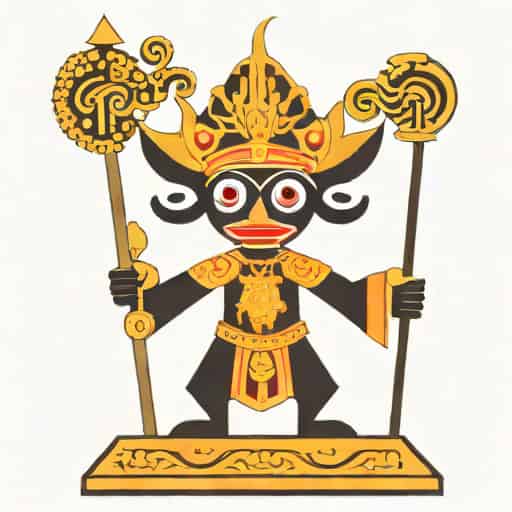
The wayang kulit puppet is a traditional Indonesian art form that has fascinated audiences for centuries with its intricate designs, storytelling, and cultural significance. Originating in Java and Bali, wayang kulit combines shadow puppetry with music, dialogue, and mythology to convey moral lessons, historical tales, and spiritual beliefs. Made from carefully crafted buffalo hide and mounted on bamboo sticks, these puppets are manipulated by a skilled puppeteer, known as a dalang, behind a backlit screen to create dramatic shadow performances. The art form is not only a form of entertainment but also a medium for education, cultural preservation, and social commentary. Understanding the history, techniques, and cultural importance of wayang kulit puppets provides insight into why this art remains a cherished tradition in Indonesia and a recognized masterpiece of world heritage.
Origins and History of Wayang Kulit
Wayang kulit has a long history that dates back over a thousand years, blending indigenous Indonesian traditions with influences from Indian Hindu epics such as the Ramayana and Mahabharata. The earliest evidence of wayang performances appears in ancient Javanese inscriptions and temple reliefs, indicating that it played a significant role in religious and royal ceremonies. Over time, wayang kulit evolved into a popular form of storytelling that reached villages and towns across Java and Bali. Each performance was not only a form of entertainment but also a way to communicate moral values, political commentary, and philosophical teachings to the community. The tradition has survived through centuries, adapting to changes in society while retaining its unique artistic identity.
Materials and Craftsmanship
Wayang kulit puppets are traditionally made from buffalo hide, which is carefully treated, dried, and intricately carved to create detailed characters. Each puppet is painted with natural dyes and mounted on bamboo sticks for manipulation. The craftsmanship requires precision, patience, and artistic skill, as the puppets must be flexible enough for movement while maintaining their elaborate designs. Different characters are represented with distinct features, colors, and ornaments, allowing audiences to identify heroes, villains, gods, and mythical creatures. The making of a single wayang kulit puppet can take several weeks, reflecting the dedication and artistry involved in this traditional craft.
The Role of the Dalang
The dalang, or puppeteer, is the central figure in a wayang kulit performance. This skilled artist controls all aspects of the show, including manipulating the puppets, providing the voices for multiple characters, and directing the accompanying gamelan orchestra. The dalang also interprets the stories, often adding contemporary commentary, humor, or moral lessons relevant to the audience. Mastering the role of a dalang requires years of training, knowledge of mythology, and a deep understanding of cultural and social context. The performance is as much a display of intellectual and artistic skill as it is a theatrical presentation.
Performance and Music
Wayang kulit performances typically take place behind a white screen with a light source projecting the shadows of the puppets to the audience. The puppeteer manipulates the puppets using bamboo sticks, bringing the characters to life with fluid movements. Each performance is accompanied by a gamelan orchestra, which provides rhythmic and melodic support, enhancing the drama and emotional impact of the story. The music, dialogue, and shadows work together to create a mesmerizing spectacle that captivates audiences of all ages. Traditional performances can last several hours or even an entire night, demonstrating the endurance and skill of the dalang and the musicians.
Cultural Significance
Wayang kulit is deeply embedded in Indonesian culture and serves multiple functions beyond entertainment. It is a medium for moral and ethical education, teaching lessons about loyalty, courage, wisdom, and justice. The stories often reflect philosophical and spiritual ideas, emphasizing the balance between good and evil and the consequences of human actions. Wayang kulit also plays a role in social cohesion, bringing communities together during religious ceremonies, festivals, and important life events. UNESCO recognized wayang kulit as a Masterpiece of Oral and Intangible Heritage of Humanity, highlighting its significance as a cultural treasure with universal value.
Symbolism and Characters
- HeroesCharacters such as Arjuna and Rama represent bravery, virtue, and righteousness.
- VillainsFigures like Ravana and other antagonists symbolize greed, deception, and chaos.
- Gods and Spiritual BeingsDeities play roles in guiding human actions and reinforcing moral lessons.
- Comedic CharactersOften included to provide humor and lighten the narrative, reflecting everyday human experiences.
Modern Adaptations and Influence
In contemporary times, wayang kulit has adapted to new media and audiences while retaining its traditional essence. Performances are sometimes shortened for modern audiences, and puppets may incorporate contemporary themes or social commentary. Educational programs and cultural centers have also embraced wayang kulit, using it to teach history, literature, and moral values. Additionally, the art form has inspired international artists, theater productions, and animations, showcasing its influence beyond Indonesia. By blending tradition with innovation, wayang kulit continues to captivate audiences while preserving its cultural heritage.
Wayang Kulit in Education and Tourism
Wayang kulit is frequently used in educational settings to teach students about Indonesian culture, mythology, and history. Museums, cultural festivals, and tourism programs offer live performances, workshops, and puppet-making demonstrations, providing immersive experiences for both locals and visitors. These initiatives help preserve the craft, promote cultural understanding, and support the livelihoods of traditional artisans. By integrating wayang kulit into education and tourism, Indonesia ensures that this art form remains vibrant and relevant for future generations.
Challenges and Preservation
Despite its enduring popularity, wayang kulit faces challenges in the modern era. The rise of digital entertainment and changing social habits has reduced the frequency of traditional performances, and the number of skilled dalangs and puppet makers is declining. Preservation efforts are essential to maintain this cultural heritage, including training programs for young artists, documentation of stories and techniques, and government support for cultural events. Organizations and communities work together to ensure that wayang kulit continues to thrive, passing on the knowledge and artistry to new generations while keeping the stories and moral lessons alive.
Future of Wayang Kulit
- Training young dalangs and craftsmen to continue traditional practices.
- Integrating wayang kulit into modern theater and multimedia projects.
- Promoting awareness through cultural festivals and international exhibitions.
- Developing educational programs to teach the art form in schools.
- Documenting stories, techniques, and performances for archival and preservation purposes.
The wayang kulit puppet is more than a simple form of entertainment; it is a profound expression of Indonesian culture, history, and artistry. From its origins in ancient rituals to modern performances, it continues to inspire, educate, and unite communities. The combination of intricate puppetry, storytelling, music, and philosophical depth makes wayang kulit a unique and enduring cultural treasure. By appreciating the craftsmanship, performances, and cultural significance, audiences can gain a deeper understanding of Indonesia’s rich heritage. Preservation and adaptation ensure that wayang kulit will continue to thrive, enchanting future generations and maintaining its place as one of the world’s most remarkable art forms.