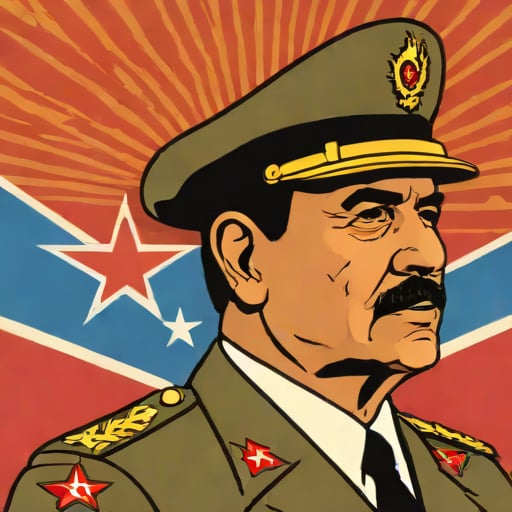
When people ask who is the dictator of Cuba, it’s important to understand both the current political leadership of the country and the historical context of dictatorship in Cuba. Cuba is a oneparty socialist republic led by the Communist Party, meaning that political power is centralized in the state and alternative political parties are not legally permitted to compete in elections. For decades, Cuba has been governed by leaders associated with the revolutionary government that came to power in 1959. Over time, terms like dictator have been used by critics to describe some Cuban leaders, especially those who ruled with limited political pluralism or restricted freedoms. To fully answer who is seen as the dictator of Cuba today, it helps to explore the current leadership, the history of Cuban governance, and how the concept of dictatorship applies in this specific case.
Current Leader of Cuba
The head of state and government in Cuba today is Miguel DÃazCanel. He serves as President of the Republic and, importantly, as First Secretary of the Communist Party of Cuba, which is the most powerful position in the country’s political system. DÃazCanel first became President in 2018 and succeeded Raúl Castro as First Secretary in 2021, making him the highest official in the Cuban government and party hierarchy. His leadership represents a generational shift in Cuba’s political leadership, as he is the first person born after the 1959 revolution to hold these top positions.
Role and Powers
As First Secretary of the Communist Party, Miguel DÃazCanel leads the only legally recognized political party in Cuba. The Cuban constitution designates the Communist Party as the superior guiding force of society and the state, which means that real political power is concentrated in the party leadership rather than in a system of competing parties. As President, DÃazCanel is also the head of state and represents Cuba in diplomatic matters. Together, these roles put him at the center of Cuban political authority.
Why Some Call the Leader a Dictator
The term dictator is often used by critics to describe leaders who govern without political opposition, restrict freedoms, and maintain power through centralized control. In Cuba, critics argue that the government’s oneparty system, limits on political pluralism, and control over media and civil society amount to an authoritarian form of rule. Because alternative political parties are not allowed to participate in formal elections and public debate is tightly regulated, some international observers and Cuban exiles label the Cuban leadership as dictatorial. These characterizations reflect concerns about human rights, civil liberties, and democratic representation, rather than a formal title within Cuba’s constitution.
Political System and Elections
Cuba’s constitution allows for elections to the National Assembly and municipal assemblies, but candidates are generally vetted by committees aligned with the Communist Party. Independent political parties cannot legally campaign or appear on the ballot. This system contrasts with multiparty democracies where citizens choose among competing parties. Supporters of the Cuban government argue that the system reflects a form of socialist democracy designed to prevent foreign influence and maintain social stability, while critics see it as undemocratic and authoritarian.
Historical Dictatorship Fulgencio Batista
To understand why terms like dictator are associated with Cuba, it helps to look at the country’s history before the revolution. One of the most widely recognized dictators in Cuban history was Fulgencio Batista, who ruled Cuba from 1952 to 1959. Batista first came to power after leading a military coup that overthrew the existing government. During his second period in power, his regime was marked by repression, corruption, and limited political freedoms. Batista’s government jailed opponents, censored the press, and maintained control through force and patronage. His rule ended when revolutionary forces led by Fidel Castro overthrew him in 1959, ushering in a new era of governance.
Characteristics of Batista’s Rule
- Seized power through a military coup rather than democratic election.
- Suppressed political opposition and civil liberties.
- Used state institutions to enrich himself and allies.
- Faced widespread discontent that contributed to the Cuban Revolution.
Leadership After the Revolution
After Batista was deposed in 1959, Fidel Castro became the central figure of the new revolutionary government. Castro led Cuba for nearly five decades, and his style of governance is viewed by many as authoritarian. Although he enacted major social reforms, expanded education and healthcare, and asserted Cuba’s independence from U.S. influence, Castro also presided over a oneparty state with strict limits on dissent and political competition. For supporters, Castro is seen as a revolutionary hero who defended Cuba’s sovereignty. For critics, especially in exile communities and human rights organizations, Castro’s long rule fits many characteristics of a dictatorship due to constrained political freedoms and centralized control.
The Castro Era and Its Legacy
Fidel Castro’s tenure established the framework for Cuba’s modern political system. After his retirement due to health issues, his brother Raúl Castro took over leadership and continued similar policies, though with some economic reforms. Raúl Castro later stepped down as First Secretary of the Communist Party, paving the way for Miguel DÃazCanel’s leadership. The continuity of singleparty governance has meant that political power remains highly centralized, and many of the criticisms related to authoritarian governance persist in contemporary analyses of Cuba’s political structure.
Debates Over Terminology
Whether Miguel DÃazCanel or previous Cuban leaders should be called dictators is contested. Supporters of the Cuban government argue that labels like dictator are oversimplified and biased, failing to recognize the nation’s unique political system and historical context. In this view, Cuba’s leadership is committed to socialist principles and national sovereignty, and its political processes are rooted in a different ideological framework than Western multiparty democracies.
Critics’ Perspective
Opponents point to a lack of political plurality, restrictions on freedom of assembly and speech, and state control of major institutions as evidence of an authoritarian system. They argue that when a single party dominates political life and alternative voices are marginalized, the leadership functions as a dictatorship in practice, even if the government eschews that label formally.
Supporters’ Perspective
Supporters of the Cuban government argue that the leadership model prioritizes social welfare, equity, and resistance to foreign domination. They claim that while political competition is limited, the system aims to represent the interests of the majority through mass organizations and community involvement. These supporters also emphasize successes in healthcare, education, and disaster response as positive outcomes of the governing model.
Today, Miguel DÃazCanel is the most powerful political leader in Cuba, serving as both President and First Secretary of the Communist Party of Cuba. While some people refer to him or past Cuban leaders as dictators because of the centralized political system and limited political freedoms, others see Cuba’s governance through a different ideological lens that emphasizes socialist principles and national sovereignty. Understanding who is called the dictator of Cuba involves recognizing the historical context of leaders like Fulgencio Batista and the ongoing debates about political authority, civil liberties, and governance in the Cuban state. The designation of any leader as a dictator often reflects broader judgments about political systems, freedom, and power, making the question both political and interpretive in nature.