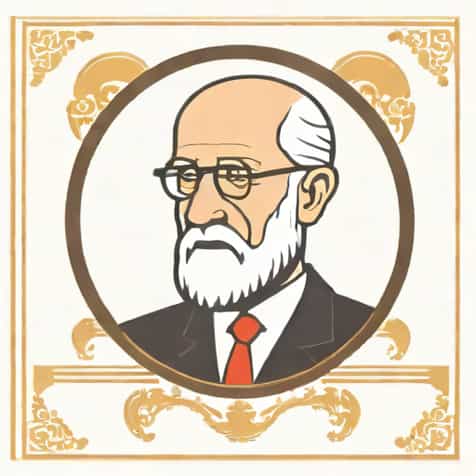
Psychoanalytic theory, developed by Sigmund Freud in the late 19th and early 20th centuries, is one of the most influential frameworks in psychology. It focuses on understanding the human mind, behavior, and personality through unconscious processes, early childhood experiences, and inner conflicts. Freud believed that much of human behavior is driven by desires, fears, and memories that lie beneath the surface of conscious awareness. His work has shaped not only psychology but also literature, art, and culture, making it an enduring topic of interest even today.
Origins of Psychoanalytic Theory
Sigmund Freud, an Austrian neurologist, began developing psychoanalytic theory while studying patients with hysteria and other mental disorders. He observed that symptoms often had no clear physical cause but seemed connected to unresolved emotional conflicts. Freud proposed that the mind has layers, including the conscious, preconscious, and unconscious, and that unconscious thoughts and desires could influence conscious behavior. His early work emphasized the role of childhood experiences in shaping personality and the importance of analyzing dreams and free associations to uncover hidden conflicts.
The Structure of Personality
Freud introduced a structural model of personality, dividing it into three components
- IdThe id is the most primitive part of personality, operating on the pleasure principle. It seeks immediate gratification of instinctual drives such as hunger, sex, and aggression.
- EgoThe ego develops to mediate between the unrealistic demands of the id and the external world. It operates on the reality principle, making decisions based on reason and social norms.
- SuperegoThe superego represents internalized moral standards and ideals learned from parents and society. It strives for perfection and can create feelings of guilt or pride depending on behavior.
Psychosexual Stages of Development
Freud believed that personality development occurs through a series of psychosexual stages. Each stage is associated with the pleasure focus on different erogenous zones and can influence adult personality if conflicts are not resolved
- Oral Stage (0-1 year)Pleasure centers on the mouth. Fixation may result in dependency or oral habits in adulthood.
- Anal Stage (1-3 years)Focus on bowel and bladder control. Issues during this stage can lead to obsessive or messy behaviors later in life.
- Phallic Stage (3-6 years)Pleasure focuses on the genitals. Freud introduced concepts like the Oedipus and Electra complexes during this stage.
- Latency Stage (6-puberty)Sexual impulses are repressed, and children focus on learning and social relationships.
- Genital Stage (puberty onward)Mature sexual interests emerge, and the individual develops the ability to form healthy adult relationships.
Defense Mechanisms
Freud also described defense mechanisms, unconscious strategies used by the ego to reduce anxiety caused by conflicts between the id, ego, and superego. Some common defense mechanisms include
- RepressionPushing uncomfortable thoughts out of conscious awareness.
- DenialRefusing to accept reality or facts.
- ProjectionAttributing one’s own unacceptable feelings to others.
- RationalizationJustifying behavior with logical reasons instead of the real motives.
- DisplacementRedirecting emotions toward a safer outlet rather than the real source.
Methods of Psychoanalysis
Psychoanalysis is both a theory and a therapeutic approach. Freud developed techniques to explore the unconscious mind, including
- Free AssociationPatients speak freely about thoughts and feelings, allowing hidden conflicts to surface.
- Dream AnalysisDreams are considered a royal road to the unconscious, revealing repressed desires and emotions.
- TransferencePatients project feelings about significant people onto the therapist, providing insight into unresolved conflicts.
Impact and Criticism
Psychoanalytic theory has had a profound impact on psychology, psychotherapy, and even popular culture. Concepts like the unconscious mind, defense mechanisms, and childhood influence are widely recognized. However, Freud’s ideas have also faced criticism. Critics argue that some of his theories are unscientific, difficult to test, and overly focused on sexual and aggressive drives. Despite these criticisms, psychoanalysis remains influential in understanding personality, mental health, and human behavior.
Freud’s Legacy
Freud’s psychoanalytic theory laid the groundwork for modern psychology and psychotherapy. His ideas encouraged deeper exploration of the mind and inspired new approaches to therapy. Even though contemporary psychology has developed evidence-based methods and moved beyond some of Freud’s concepts, his emphasis on unconscious processes and early experiences continues to shape how we think about human behavior. Psychoanalytic theory reminds us that understanding ourselves often requires looking beneath the surface, exploring hidden thoughts, and reflecting on our past.