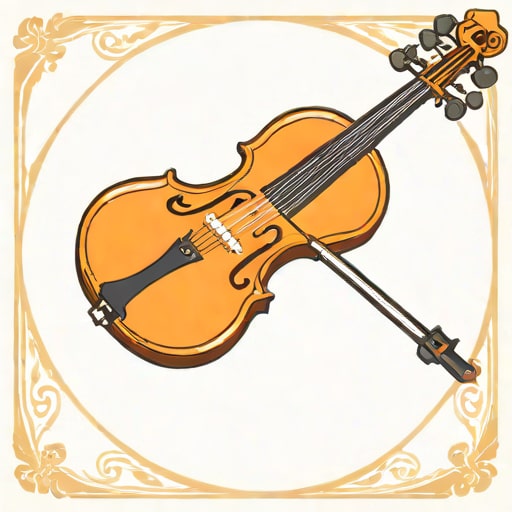
The word fiddle is a versatile term in the English language that can refer to both a musical instrument and a variety of figurative meanings. Most commonly, it is associated with a stringed instrument similar to a violin, widely used in folk, classical, and traditional music. However, the term fiddle can also mean to manipulate, tamper, or act dishonestly, reflecting its figurative usage in everyday speech. Understanding the meaning of fiddle requires exploring both its literal and metaphorical senses, as well as its historical, cultural, and social significance. The concept has appeared in literature, music, and idiomatic expressions, making it an interesting word that blends art, culture, and human behavior. By examining the different aspects of the word, we gain insight into language, creativity, and the ways in which a single term can carry multiple layers of meaning.
Definition of Fiddle
Fiddle can be defined in two primary ways. Firstly, it refers to a stringed musical instrument, commonly a violin, played with a bow and often associated with folk, country, and traditional music styles. Secondly, fiddle can be used as a verb meaning to manipulate, adjust, or tamper with something, often implying dishonesty or trickery. These dual definitions make the word flexible and context-dependent, with applications in music, conversation, and literature.
Fiddle as a Musical Instrument
The fiddle is essentially the same as a violin but is often distinguished by its use in folk or traditional music. Fiddlers are known for their skill, speed, and ability to produce expressive melodies. The fiddle has a long history, with roots in European, American, and Celtic music traditions. Its sound is characterized by a bright, resonant tone that can convey both joy and melancholy, making it a central instrument in many musical genres.
Key Characteristics of a Fiddle
- Four strings, typically tuned G, D, A, E.
- Played with a bow or, in some styles, plucked with fingers.
- Often used in folk, country, bluegrass, and Celtic music.
- Known for expressive and fast-paced melodies.
- Can be both a solo and an ensemble instrument.
Fiddle as a Verb
In its figurative sense, to fiddle means to manipulate, tamper, or alter something, often in a dishonest or deceptive manner. It can also mean to play with something idly or to waste time on trivial adjustments. This figurative usage has been common in English for centuries, appearing in idioms, literary works, and everyday conversation.
Examples of Fiddle as a Verb
- He fiddled with the lock until it opened. – adjusting or tinkering.
- She was caught fiddling the accounts. – implying dishonest manipulation.
- Don’t just fiddle around, focus on your work. – wasting time or being idle.
- They fiddled with the engine to improve performance. – making adjustments or modifications.
Historical and Cultural Significance
The fiddle has a rich history, particularly in folk and traditional music. In Europe, fiddles were popular in rural and village settings, accompanying dances and celebrations. In the United States, the fiddle became central to bluegrass, Appalachian, and country music. Its role in storytelling and communal gatherings highlights its cultural importance, providing both entertainment and a means of preserving musical heritage. Fiddle music often conveys emotions, history, and social narratives through lively tunes or haunting melodies.
Fiddle in Literature and Media
The word fiddle has also made its way into literature, idioms, and popular culture. Famous phrases such as fiddle while Rome burns illustrate how the term can convey idleness or inappropriate behavior in the face of serious circumstances. Literature often uses the fiddle as a symbol of joy, festivity, or artistic expression, while its figurative use can denote trickery, deception, or manipulation.
Examples in Idioms
- Fiddle while Rome burns – ignoring serious matters and focusing on trivial ones.
- Fit as a fiddle – being in good health or excellent condition.
- Play second fiddle – taking a subordinate or supporting role.
- Fiddle around – wasting time or engaging in inconsequential activity.
Musical Styles Associated with the Fiddle
The fiddle is versatile and used in a variety of musical styles around the world. From fast-paced reels and jigs in Celtic music to soulful ballads in American folk, the instrument adapts to different cultural contexts. It has also influenced contemporary genres such as jazz, swing, and even popular music, demonstrating its adaptability and enduring appeal.
Popular Fiddle Traditions
- Celtic Fiddle – featuring reels, jigs, and hornpipes.
- Bluegrass Fiddle – characterized by rapid bowing and improvisation.
- Country Fiddle – often used in dance music and storytelling songs.
- Classical Fiddle – technically identical to the violin, used in orchestral settings.
Psychological and Social Dimensions
The figurative use of fiddle also reflects human behavior and social interactions. Fiddling can indicate nervousness, restlessness, or a desire to manipulate a situation. People may fiddle with objects as a coping mechanism or as a way to express creativity and focus. Understanding the social and psychological implications of fiddling can provide insights into behavior, communication, and cultural norms.
Psychological Aspects of Fiddling
- Stress relief – fiddling with objects or instruments can reduce tension.
- Focus – repetitive movements can help concentration.
- Manipulation – fiddling can be a subtle way to influence outcomes or adjust situations.
- Creativity – fiddling with ideas, music, or objects can inspire innovation.
Synonyms and Related Terms
Depending on context, fiddle has several synonyms and related terms
- Violin – referring to the musical instrument itself.
- Tinker – adjusting or experimenting with something mechanically or creatively.
- Manipulate – influencing or controlling something, sometimes deceitfully.
- Idol – playing or handling something casually or carelessly.
- Twiddle – similar to fiddling, implying small, repetitive movements.
The word fiddle carries a rich variety of meanings, encompassing both the literal musical instrument and figurative concepts of manipulation, adjustment, or idleness. As a fiddle, the instrument has cultural, historical, and artistic significance, playing a central role in folk, classical, and contemporary music traditions. As a verb, fiddle reflects human behavior, creativity, and sometimes dishonesty, appearing in idioms, literature, and daily conversation. Understanding fiddle in all its dimensions highlights the versatility of language and the ways in which a single word can carry multiple layers of meaning. Whether in music, literature, or everyday life, the fiddle represents creativity, skill, and the dynamic interplay between action, expression, and interpretation, making it a word that continues to resonate across generations and cultures.