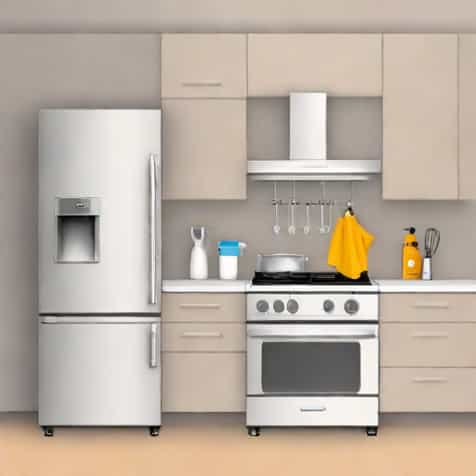
Stainless steel appliances are a popular choice in modern kitchens because of their sleek appearance, durability, and resistance to rust. However, keeping them clean and shiny can be a challenge, especially when fingerprints, smudges, and grease accumulate over time. Using the right cleaning methods and materials is essential to maintain their appearance and prevent damage. Knowing what to clean stainless steel appliances with ensures that they stay spotless, hygienic, and free from scratches or streaks, making your kitchen look well-maintained and elegant.
Understanding Stainless Steel
Before discussing cleaning methods, it is important to understand what stainless steel is and why it requires specific care. Stainless steel is a type of steel alloy containing chromium, which helps resist rust and corrosion. Despite its durability, improper cleaning or abrasive materials can scratch or dull the surface. Using gentle, non-abrasive cleaners and tools is key to maintaining the natural shine and integrity of stainless steel appliances.
Common Issues with Stainless Steel Appliances
- Fingerprints and smudges that make surfaces look dirty.
- Grease and oil buildup, especially on kitchen appliances like ovens and refrigerators.
- Water spots caused by hard water or spilled liquids.
- Scratches or dullness from abrasive cleaners or rough cloths.
Effective Cleaning Solutions
There are several effective cleaning solutions that can be used safely on stainless steel appliances. Choosing the right cleaner is important to ensure the surface remains shiny and scratch-free.
Microfiber Cloths
One of the simplest and most effective tools for cleaning stainless steel is a microfiber cloth. Microfiber is gentle on surfaces, traps dust and dirt, and reduces streaking. For light cleaning, simply dampen the cloth with water and wipe along the grain of the stainless steel.
Mild Soap and Water
For general cleaning, a mixture of mild dish soap and warm water works very well. Apply the soapy solution with a soft cloth or sponge, then rinse with a clean damp cloth and dry with a microfiber towel. This method removes everyday dirt, grease, and fingerprints without damaging the surface.
White Vinegar
White vinegar is an excellent natural cleaner for stainless steel. Its acidity helps dissolve grease and mineral deposits. Spray a mixture of equal parts white vinegar and water onto the appliance, wipe with a microfiber cloth, and then buff dry. This method is particularly effective for removing streaks and water spots.
Baking Soda for Tough Stains
For stubborn stains or sticky residues, baking soda can be used as a gentle abrasive. Make a paste by mixing baking soda with a small amount of water, apply it to the stain with a soft cloth, and rub gently along the grain. Rinse thoroughly with water and dry to avoid streaks.
Commercial Stainless Steel Cleaners
There are many commercial stainless steel cleaners available that are specifically formulated to clean, polish, and protect stainless steel surfaces. When using these products, follow the manufacturer’s instructions and always test a small area first to ensure it does not cause damage.
Cleaning Techniques for Stainless Steel Appliances
Using the correct technique is just as important as the cleaning solution itself. The direction in which you clean can impact the final appearance.
Wiping Along the Grain
Most stainless steel appliances have a grain, which refers to the direction of the metal’s texture. Always wipe along the grain rather than against it. Cleaning against the grain can leave streaks and may create tiny scratches that dull the finish over time.
Drying Immediately
After cleaning, it is essential to dry the appliance immediately with a soft microfiber cloth. Allowing water to air-dry can leave mineral deposits or water spots that make the surface look dull.
Polishing for Shine
To enhance the shine of stainless steel, you can use a small amount of olive oil, baby oil, or a specialized stainless steel polish. Apply a thin layer to a clean microfiber cloth and rub gently along the grain. This not only gives a polished look but also provides a protective layer against fingerprints and smudges.
Tips and Precautions
Proper care and regular maintenance can prolong the life and appearance of stainless steel appliances. Here are some tips and precautions to keep in mind
Avoid Abrasive Materials
- Do not use steel wool, scouring pads, or harsh scrubbers, as they can scratch the surface.
- Avoid cleaners containing chlorine, bleach, or ammonia, which can damage the stainless steel finish.
Regular Cleaning
Frequent light cleaning is better than occasional heavy cleaning. Wiping appliances daily or weekly prevents the buildup of grease, fingerprints, and stains, making maintenance easier.
Handling Fingerprints
Fingerprints are one of the most common issues with stainless steel. Using a microfiber cloth with a small amount of white vinegar or commercial stainless steel cleaner effectively removes fingerprints without leaving streaks.
Dealing with Water Spots
Hard water can leave unsightly spots on stainless steel surfaces. Wipe spills immediately and use vinegar or a mixture of water and lemon juice to remove existing spots. Dry thoroughly with a microfiber cloth afterward.
Cleaning stainless steel appliances effectively requires the right tools, techniques, and solutions. Using microfiber cloths, mild soap, white vinegar, baking soda, or commercial cleaners helps remove grease, fingerprints, and water spots while maintaining the appliance’s shine and integrity. Wiping along the grain, drying immediately, and occasionally polishing with oil or a stainless steel-specific product enhances appearance and longevity. Avoiding abrasive materials and harsh chemicals ensures the surface remains scratch-free and durable. With regular care, your stainless steel appliances can stay looking sleek, modern, and spotless for years to come, making your kitchen both functional and visually appealing.