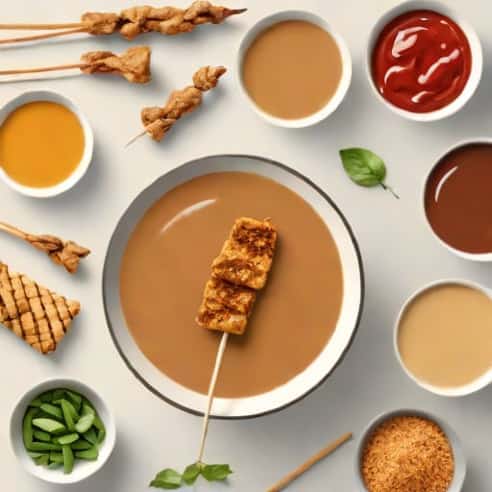
Gluten-free satay sauce is a delicious and versatile condiment that allows people with gluten intolerance or celiac disease to enjoy the rich, savory flavors of traditional satay without worry. Satay sauce, often made with peanuts, coconut milk, and spices, is a staple in Southeast Asian cuisine, especially in Indonesia, Malaysia, and Thailand. Traditional recipes sometimes contain soy sauce or other ingredients with gluten, which can be problematic for those avoiding gluten. By using gluten-free alternatives, this satay sauce maintains its signature taste while ensuring it is safe for everyone. This makes it ideal for dipping grilled meats, vegetables, or even as a flavorful addition to rice and noodle dishes. Its creamy texture, slightly sweet flavor, and balanced spiciness make gluten-free satay sauce a favorite in home kitchens and restaurants alike.
Ingredients of Gluten-Free Satay Sauce
The key to a great gluten-free satay sauce is using high-quality, naturally gluten-free ingredients. A typical recipe includes peanut butter, coconut milk, garlic, ginger, lime juice, and spices like turmeric, coriander, and chili. For sweetness, brown sugar or palm sugar is often used. Gluten-free tamari or coconut aminos can replace soy sauce, providing the savory umami flavor without gluten. Selecting fresh ingredients ensures the sauce has a vibrant taste and smooth texture. Homemade versions allow for adjustment of spice and sweetness levels, catering to personal preferences and dietary needs.
Essential Ingredients
- Peanut butter or ground roasted peanuts for richness and texture.
- Coconut milk for creaminess and a subtle tropical flavor.
- Garlic and ginger for aromatic depth.
- Gluten-free soy sauce alternatives like tamari or coconut aminos.
- Lime juice for acidity and freshness.
- Brown sugar or palm sugar to balance the spiciness.
- Chili or chili paste to add heat, adjustable to taste.
- Optional spices like turmeric, coriander, and cumin for complexity.
Health Benefits of Gluten-Free Satay Sauce
Choosing gluten-free satay sauce offers more than just dietary safety. Peanuts provide protein, healthy fats, and essential vitamins and minerals such as magnesium and vitamin E. Coconut milk contributes medium-chain triglycerides that are easier to digest and can provide quick energy. Using natural sweeteners and avoiding processed gluten-containing ingredients reduces unnecessary additives and helps maintain a balanced diet. Gluten-free satay sauce is a nutrient-dense option that can complement a variety of meals while supporting digestive health for individuals sensitive to gluten.
Nutrition Highlights
- High in protein from peanuts, supporting muscle maintenance and repair.
- Contains healthy fats from peanuts and coconut milk for sustained energy.
- Provides essential vitamins like vitamin E and minerals like magnesium.
- Free from gluten, which reduces digestive stress for sensitive individuals.
- Can be made with natural sweeteners to limit refined sugar intake.
How to Make Gluten-Free Satay Sauce
Making gluten-free satay sauce at home is straightforward and allows full control over ingredients and flavor. Start by lightly toasting peanuts to enhance their flavor, then blend them with coconut milk until smooth. Add minced garlic, grated ginger, and spices to the mixture. Sweeten with brown sugar or palm sugar, and add gluten-free tamari or coconut aminos for umami. Simmer the sauce on low heat until it thickens to the desired consistency. Taste and adjust seasoning with lime juice, salt, or extra spices to achieve a perfect balance of sweet, salty, and spicy flavors.
Step-by-Step Preparation
- Toast peanuts lightly for enhanced flavor, then grind or use smooth peanut butter.
- Combine peanuts with coconut milk in a saucepan and blend until smooth.
- Add garlic, ginger, and preferred spices for depth of flavor.
- Mix in brown sugar or palm sugar to balance the taste.
- Add gluten-free tamari or coconut aminos to replace soy sauce.
- Simmer gently on low heat, stirring frequently until thickened.
- Finish with lime juice and adjust seasoning for taste.
Serving Suggestions
Gluten-free satay sauce is extremely versatile and can be used in a variety of dishes. It pairs perfectly with grilled chicken, beef, or tofu skewers, enhancing their flavor with creamy, nutty, and slightly spicy notes. It can also be served as a dipping sauce for fresh vegetables, spring rolls, or rice cakes. For a complete meal, drizzle it over noodles, stir-fried vegetables, or even roasted sweet potatoes. Its flexibility makes it a staple for home cooks looking to add flavor and protein to meals while keeping dishes gluten-free.
Popular Pairings
- Grilled or skewered meats such as chicken, beef, or pork.
- Tofu or tempeh for a vegetarian or vegan option.
- Fresh vegetables like cucumber, bell peppers, or carrots for dipping.
- Rice noodles or stir-fried vegetables for an Asian-inspired meal.
- Roasted potatoes or sweet potatoes for a unique fusion dish.
Tips for the Best Gluten-Free Satay Sauce
To achieve the best results, use fresh and high-quality ingredients. Adjust the consistency by adding more coconut milk for a thinner sauce or simmering longer for a thicker texture. For a smoother texture, blend the sauce thoroughly and strain if necessary. Always check labels to ensure that all ingredients, including tamari or peanut butter, are certified gluten-free. Experimenting with additional flavors such as lemongrass, kaffir lime leaves, or chili oil can personalize the sauce while maintaining its gluten-free integrity.
Expert Tips
- Use fresh ingredients whenever possible for vibrant flavor.
- Adjust thickness by modifying the amount of coconut milk or simmering time.
- Blend thoroughly for a smooth, creamy texture.
- Verify that all packaged ingredients are certified gluten-free.
- Experiment with additional herbs and spices to enhance flavor complexity.
Gluten-free satay sauce is a flavorful and nutritious alternative to traditional satay, making it safe and enjoyable for those with gluten intolerance or celiac disease. Its rich peanut base, combined with coconut milk, spices, and a touch of sweetness, creates a versatile condiment suitable for a variety of dishes. Whether used as a dipping sauce, marinade, or stir-fry enhancement, gluten-free satay sauce offers bold flavors without compromising dietary needs. By preparing it at home, cooks can ensure high-quality ingredients and adjust flavors to personal preference, making every meal delicious and gluten-free. This sauce represents a perfect balance of taste, health, and dietary safety, earning its place as a beloved addition to modern kitchens.