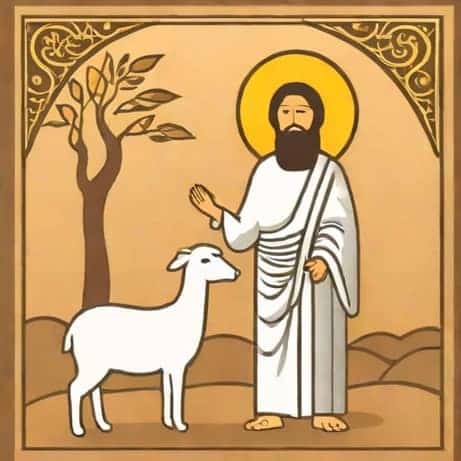
The phrase Behold the Lamb of God is one of the most powerful and memorable statements made by John the Baptist in the New Testament. Found in the Gospel of John 129, this declaration marks a pivotal moment in biblical history, introducing Jesus Christ as the Messiah and the ultimate sacrifice for humanity’s sins. John the Baptist, a prophetic figure sent to prepare the way for the Lord, recognized Jesus’ significance and immediately directed others to Him. This statement not only identifies Jesus as the Lamb of God but also conveys profound theological meaning about redemption, sacrifice, and God’s plan for salvation. Understanding this moment helps believers appreciate the role of John the Baptist, the symbolism of the lamb, and the broader message of hope and forgiveness in Christian faith.
The Role of John the Baptist
John the Baptist played a unique and critical role in biblical history. As a prophet, he was sent to prepare the hearts and minds of the people for the coming of the Messiah. His ministry focused on repentance, baptism, and moral renewal. He lived a life of humility and dedication in the wilderness, emphasizing spiritual readiness over worldly wealth or power. John’s mission set the stage for Jesus’ public ministry, and his recognition of Jesus as the Lamb of God demonstrates his deep understanding of God’s plan.
Key Aspects of John the Baptist’s Ministry
- Preaching repentance and baptism for the forgiveness of sins
- Living a humble, ascetic life in the wilderness
- Directing attention to Jesus as the awaited Messiah
- Serving as a prophetic witness to God’s salvation plan
The Meaning of Behold the Lamb of God
When John declared, Behold the Lamb of God, he was not only identifying Jesus but also revealing His purpose. In Jewish tradition, lambs were central to sacrificial rituals, particularly in the Passover celebration. By calling Jesus the Lamb of God, John emphasized that Jesus would be the ultimate sacrifice, offering Himself for the sins of the world. The word behold signals urgency and attention, inviting all who hear John to recognize Jesus’ significance immediately.
This proclamation encapsulates the essence of Christian theology Jesus’ life, death, and resurrection fulfill God’s plan for redemption, making Him the spiritual lamb who takes away the sins of humanity.
Symbolism of the Lamb
The lamb has rich symbolic meaning in the Bible. In the Old Testament, lambs were used as sacrificial animals to atone for sin, representing innocence, purity, and obedience. The Passover lamb, in particular, symbolized deliverance and protection from judgment. John’s identification of Jesus as the Lamb of God links Him directly to these traditions, signaling that He will be the final and perfect sacrifice for the sins of the world.
Connections to Biblical Themes
- Innocence and purity, representing Jesus’ sinless life
- Sacrifice, fulfilling the atonement for humanity
- Deliverance, providing spiritual salvation
- Fulfillment of prophecy, linking Old Testament rituals to the New Testament mission
John the Baptist’s Witness to Jesus
John’s statement was not merely a theological declaration; it was also a personal testimony. John recognized Jesus through divine revelation and immediately bore witness to Him. By saying, Behold the Lamb of God, John invited others to follow Jesus and understand His mission. His role as a witness highlights the importance of recognizing and pointing to God’s work in the world, a model that Christians are encouraged to follow today.
Theological Significance
Theologically, John’s declaration underscores several key truths
Jesus as the Savior
By calling Jesus the Lamb of God, John emphasizes that Jesus’ mission is to save humanity from sin. This aligns with Christian teaching about salvation, grace, and redemption.
Divine Plan
The phrase highlights that Jesus’ sacrificial role is part of God’s eternal plan. It demonstrates God’s foresight and the fulfillment of prophecy, showing that events unfold according to divine purpose.
Faith and Recognition
John’s declaration invites believers to recognize Jesus’ identity and respond with faith. It encourages spiritual discernment and a readiness to follow God’s guidance.
Impact on Early Followers
John’s proclamation had an immediate effect on those who heard it. Many of his disciples, including Andrew and John, were inspired to follow Jesus directly after this moment. The statement Behold the Lamb of God functioned as a spiritual beacon, drawing attention to the Messiah and initiating the growth of Jesus’ early ministry. It demonstrates the power of prophetic witness and personal testimony in spreading faith.
Lessons for Modern Believers
- Recognize and point others to God’s work in daily life
- Understand the significance of Jesus’ sacrifice
- Live a life of humility and service, like John the Baptist
- Respond to spiritual revelation with faith and obedience
Connection to the Gospel of John
The statement Behold the Lamb of God is central to the Gospel of John, emphasizing the theme of light and revelation. John’s gospel frequently contrasts human understanding with divine truth, showing that recognizing Jesus requires spiritual insight. John the Baptist serves as the first witness to this revelation, guiding others toward belief and understanding. The lamb imagery ties directly to the gospel’s focus on Jesus as the Word made flesh, the light of the world, and the ultimate sacrifice.
Significance in Christian Worship
This phrase continues to play an important role in Christian worship. In liturgy, hymns, sermons, and prayers, Behold the Lamb of God is used to remind believers of Jesus’ sacrifice and the importance of faith. It inspires reflection on redemption, humility, and devotion, connecting contemporary worshippers with the events of the first century and the message of salvation.
Practical Spiritual Applications
Believers can apply the meaning of John’s proclamation in everyday life by
- Maintaining awareness of Jesus’ presence and mission
- Embracing humility and service to others
- Sharing faith and bearing witness to God’s work
- Reflecting on the significance of sacrifice, forgiveness, and redemption
John the Baptist’s declaration, Behold the Lamb of God, is a cornerstone of Christian faith. It identifies Jesus as the Messiah, the ultimate sacrifice, and the fulfillment of God’s plan for salvation. John’s role as a prophet and witness demonstrates the power of divine revelation and the importance of pointing others toward God’s work. The symbolism of the lamb emphasizes innocence, sacrifice, and deliverance, linking Jesus’ mission to centuries of spiritual tradition. For believers today, this statement serves as a reminder of faith, humility, and devotion, inspiring them to recognize and follow the Lamb of God in all aspects of life. Understanding this moment enriches spiritual insight, highlights the continuity of biblical prophecy, and reinforces the timeless message of hope and redemption.