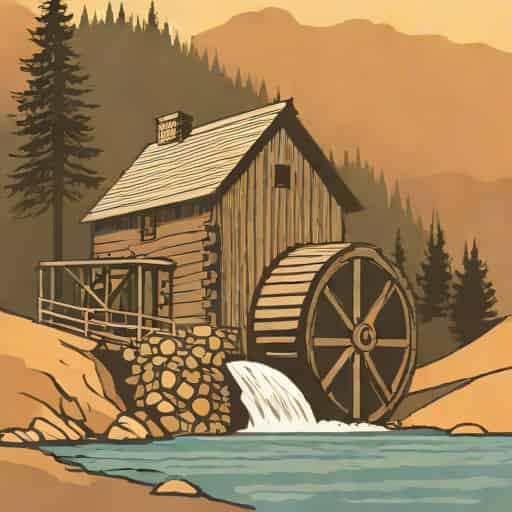
The Keremeos Grist Mill is a remarkable historic site located in the small town of Keremeos, British Columbia, Canada. This iconic mill stands as a testament to the agricultural and industrial history of the region, offering visitors a glimpse into the life and labor of early settlers. The mill, originally built in the late 19th century, served as a central hub for local farmers, providing essential grain milling services that supported both local consumption and trade. Its preserved structure, machinery, and surrounding landscape allow visitors to experience the operations of a traditional grist mill while appreciating the cultural heritage of Keremeos and the surrounding Similkameen Valley. Understanding the history, function, and impact of the Keremeos Grist Mill sheds light on the development of rural communities and agricultural economies in British Columbia.
History of the Keremeos Grist Mill
The Keremeos Grist Mill was constructed in the late 1800s to meet the growing demand for processed grain in the Similkameen Valley. During this period, settlers in the region relied heavily on locally grown wheat, barley, and other grains for sustenance and trade. Before the establishment of mills, farmers had to transport their grain long distances to be ground, which was time-consuming and costly. The creation of the Keremeos Grist Mill provided a vital service, reducing travel time and supporting the development of a more self-sufficient agricultural community. Over the years, the mill evolved to incorporate improved milling technology, adapting to the changing needs of local farmers and businesses.
Founding and Early Operations
The mill was founded by a local entrepreneur who recognized the importance of providing milling services close to the farming community. The initial construction used local timber and traditional building techniques, with a water-powered wheel driving the main milling equipment. Early operations included grinding wheat and corn into flour and meal, serving both individual households and larger commercial enterprises. The mill quickly became a gathering place for the community, where farmers exchanged news, traded goods, and collaborated on agricultural initiatives. Its operation was integral to sustaining the local economy and encouraging further settlement in the Keremeos area.
Architecture and Machinery
The Keremeos Grist Mill is notable not only for its historical significance but also for its architecture and milling machinery. The structure is a two-story wooden building, reflecting the design and construction methods common in the late 19th century. Inside, visitors can observe the original milling equipment, including millstones, sifters, and grain elevators, which were powered by a water wheel. The building itself has been carefully preserved to maintain its historical authenticity, offering a window into the past and demonstrating the ingenuity and craftsmanship of early mill builders.
Water-Powered Milling
One of the defining features of the Keremeos Grist Mill is its water-powered system. A nearby creek or river supplied a steady flow of water to turn the mill’s large wooden wheel, which in turn powered the grinding machinery. This method of energy production was highly efficient for the time and allowed the mill to operate continuously with minimal human labor. Understanding the water-powered mechanism provides insight into early industrial engineering and the reliance on natural resources to sustain community infrastructure. Maps and diagrams often illustrate how the water wheel, gears, and millstones worked together to process grain efficiently.
Economic and Social Impact
The mill played a central role in the economic development of Keremeos and the surrounding Similkameen Valley. By providing a reliable source of processed grain, it enabled farmers to sell flour and meal locally and in neighboring towns. This, in turn, encouraged agricultural production, supported local trade networks, and helped establish Keremeos as a regional hub for commerce. Beyond economics, the grist mill served as a social gathering place where community members exchanged ideas, celebrated harvests, and maintained social cohesion. It contributed to a sense of identity and continuity for the residents of Keremeos.
Supporting Local Agriculture
Farmers in the region depended on the Keremeos Grist Mill to process their crops efficiently. The availability of milling services close to home reduced transportation costs and spoilage, making farming more profitable and sustainable. The mill also provided advice and assistance to farmers, helping them select the best grains for flour production and offering guidance on storage and preparation. By supporting agricultural practices, the mill reinforced the stability of local food systems and encouraged innovation in crop management and milling techniques.
Preservation and Tourism
Today, the Keremeos Grist Mill is preserved as a heritage site and serves as an educational and tourist destination. Visitors can explore the original machinery, observe demonstrations of traditional milling techniques, and learn about the history of agriculture and industry in the Similkameen Valley. The mill hosts events, workshops, and guided tours that highlight both its historical significance and its ongoing role in community engagement. Preservation efforts ensure that future generations can appreciate the mill’s contribution to local culture and history.
Educational Programs
The Keremeos Grist Mill offers a variety of educational programs aimed at students, tourists, and history enthusiasts. Programs include hands-on demonstrations of grain milling, discussions about historical agricultural practices, and lessons on the engineering principles behind water-powered mills. These educational initiatives help foster an appreciation for historical technology, sustainable resource management, and the cultural heritage of the region. By engaging visitors directly, the mill transforms history into a tangible, interactive experience.
Cultural Significance
In addition to its economic role, the Keremeos Grist Mill holds significant cultural value. It represents the ingenuity and resilience of early settlers who transformed the natural environment to meet their needs. The mill also symbolizes the community’s connection to agriculture, water management, and local craftsmanship. Cultural events, festivals, and heritage days often feature the mill as a centerpiece, celebrating its history and reinforcing its status as a landmark of regional identity. Its preservation reflects a broader commitment to maintaining historical sites that embody the stories and achievements of past generations.
Community Engagement
The mill continues to serve as a focal point for community engagement. Local residents participate in events, volunteer programs, and historical reenactments that bring the past to life. The involvement of the community in maintaining and promoting the mill strengthens social bonds and ensures that the legacy of Keremeos’ early agricultural industry is not forgotten. By connecting residents and visitors to the region’s history, the grist mill fosters a sense of pride and continuity.
Visiting the Keremeos Grist Mill
For visitors, the Keremeos Grist Mill offers an immersive experience that combines history, technology, and natural beauty. The surrounding landscape, including nearby orchards, rivers, and hiking trails, enhances the visit and provides context for the mill’s original setting. Guided tours, interactive displays, and live demonstrations make the site accessible to a wide range of audiences, from students to historians to casual tourists. Planning a visit allows individuals to engage with history firsthand and gain a deeper understanding of the importance of milling in rural communities.
Tips for Visitors
- Check seasonal hours and special events before visiting to ensure access to demonstrations and tours.
- Wear comfortable shoes, as the site includes outdoor areas and uneven terrain.
- Engage with guides and staff to ask questions about historical techniques, machinery, and local agricultural practices.
- Explore surrounding attractions in Keremeos, including orchards, wineries, and cultural centers, to complement the visit.
The Keremeos Grist Mill stands as a vital link to the agricultural and industrial heritage of British Columbia. Its preserved structure, original machinery, and surrounding landscape offer visitors an authentic glimpse into the life of early settlers and the role of milling in local communities. Beyond its historical function, the mill continues to educate, inspire, and engage both residents and tourists, serving as a cultural landmark and symbol of regional identity. By exploring the Keremeos Grist Mill, visitors gain insight into the ingenuity, resilience, and creativity that shaped the Similkameen Valley, making it an enduring testament to the importance of preserving historical sites for future generations.