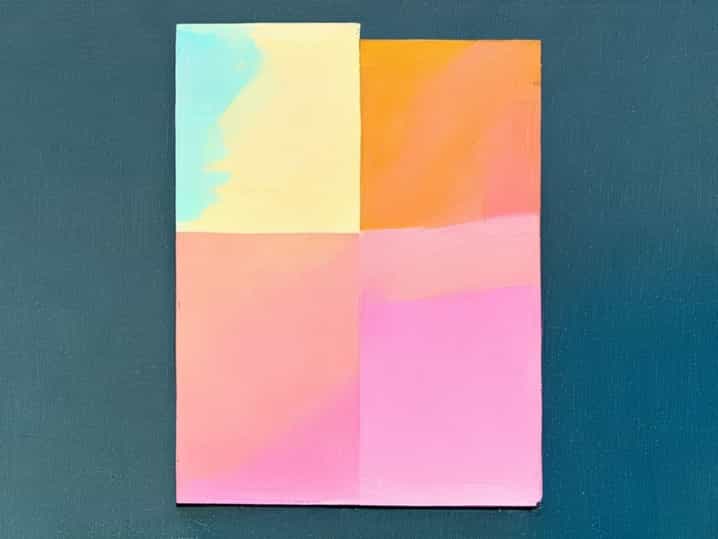
Gouache and acrylic are two popular types of paint that artists use for creating vibrant, colorful works, but they have distinct characteristics, techniques, and effects. While both can produce bold, opaque colors, they differ in terms of texture, drying time, blending capabilities, and surface adaptability. Understanding these differences is important for beginners, hobbyists, and professional painters alike, as the choice between gouache and acrylic can greatly affect the final look and feel of a painting. Each paint type has its own unique advantages and challenges, influencing how artists approach layering, mixing, and preserving their work. By exploring the properties, uses, and practical differences between gouache and acrylic, artists can make informed decisions that align with their creative vision and technical needs. This guide will break down their composition, techniques, and ideal applications in a way that is easy to follow and understand.
What is Gouache?
Gouache is a water-based paint that is known for its opacity and matte finish. It is similar to watercolor in that it can be reactivated with water even after it dries, but it contains more pigment and often includes chalk or an inert white pigment to create its characteristic solid, opaque appearance. Gouache has been used by artists for centuries for illustrations, posters, and fine art paintings because it allows for smooth color layering and strong visual impact without the glossiness associated with some other paints.
Properties of Gouache
- Water-soluble Can be thinned with water and reactivated after drying.
- Matte finish Produces a flat, non-reflective surface.
- Opaque coverage Layers cover underlying colors completely, allowing for bold changes.
- Slow drying Gives artists more time to blend and manipulate the paint.
- Soft texture Easy to apply with brushes, pens, or even palette knives for different effects.
Uses of Gouache
Gouache is ideal for creating illustrations, graphic designs, and fine art with clean, flat color areas. It is often favored in design work, animation backgrounds, and concept art because it allows for precise control over color and opacity. Artists also use gouache for mixed media projects, combining it with watercolors, pencils, or ink for added depth and texture. Its ability to be reworked with water makes it forgiving for corrections and adjustments.
What is Acrylic?
Acrylic paint is a fast-drying, water-based paint made from pigment suspended in acrylic polymer emulsion. Unlike gouache, once acrylic dries, it becomes water-resistant and forms a durable, flexible surface. Acrylic can mimic the look of oils or watercolors depending on how much it is diluted or modified with mediums, which makes it extremely versatile. It is widely used by contemporary artists for canvas painting, murals, and even craft projects because it adheres well to various surfaces and offers long-lasting color.
Properties of Acrylic
- Fast drying Dries quickly, often within minutes, which speeds up layering but limits blending time.
- Water-resistant after drying Forms a permanent film that cannot be reactivated with water.
- Flexible finish Can be matte, satin, or glossy depending on additives and mediums used.
- High pigmentation Produces vibrant, intense colors that maintain their brightness over time.
- Versatile surface application Works on canvas, wood, paper, fabric, and even plastic.
Uses of Acrylic
Acrylic paint is highly adaptable and can be used for fine art, decorative painting, murals, and craft projects. Its durability makes it suitable for artwork that needs to last or be exposed to varying conditions. Artists often use acrylics for layering and impasto techniques, as the paint can be built up to create texture and depth. It is also popular in mixed media, combined with pastels, inks, or gels to achieve diverse effects. Because acrylic dries quickly, it is preferred for projects that require efficiency or multiple layers in a short time.
Key Differences Between Gouache and Acrylic
Although both gouache and acrylic are water-based paints, they differ significantly in behavior, appearance, and handling. Understanding these differences helps artists choose the right paint for their project and achieve the desired visual effect.
Opacity and Finish
- GouacheProvides opaque, matte coverage that can be reworked even after drying.
- AcrylicCan be opaque or semi-transparent, with a flexible finish that can range from matte to glossy but becomes permanent when dry.
Drying Time
- GouacheSlower drying, allowing for blending and reactivation with water.
- AcrylicDries quickly, which is ideal for layering but limits blending time.
Surface Versatility
- GouacheBest suited for paper, illustration boards, and other absorbent surfaces.
- AcrylicCan be used on canvas, wood, fabric, and even non-porous surfaces like glass and plastic.
Reworkability
- GouacheCan be reactivated and adjusted with water after drying.
- AcrylicBecomes water-resistant and permanent once dry.
Color Intensity
- GouacheSoft, opaque colors with a muted, matte appearance.
- AcrylicBright, vibrant colors that maintain intensity over time and under various lighting conditions.
Similarities Between Gouache and Acrylic
Despite their differences, gouache and acrylic share some common features. Both are water-based, allowing for easy cleanup with water and minimal use of solvents. They can be mixed to create custom colors and are used for layering techniques. Both paints also offer rich pigmentation and can produce bold, eye-catching artworks. Many artists experiment with both gouache and acrylic to combine the matte, soft finish of gouache with the durability and vibrancy of acrylics, achieving unique visual effects in their work.
gouache and acrylic paints are versatile tools that serve different purposes in art. Gouache excels in creating smooth, matte, and reworkable surfaces, making it ideal for illustration, design, and projects that require precise control. Acrylic paint offers fast drying, long-lasting durability, and vibrant colors that can be applied to a wide range of surfaces, making it perfect for canvas paintings, murals, and contemporary art. Understanding the differences in opacity, drying time, surface adaptability, and reworkability allows artists to choose the best medium for their creative needs. Both gouache and acrylic have unique advantages, and experimenting with each can expand artistic possibilities and improve overall technique. By mastering the properties and techniques of these paints, artists can produce stunning, expressive works that reflect their individual style and vision.